Back to Feed
Medieval · Rome, Italy
Pope Joan: The Woman Who Ruled the Vatican for Two Years — And Why Historians Still Argue
★ 8.3 / 10medieval legendwomen in church historypapal historyhidden history
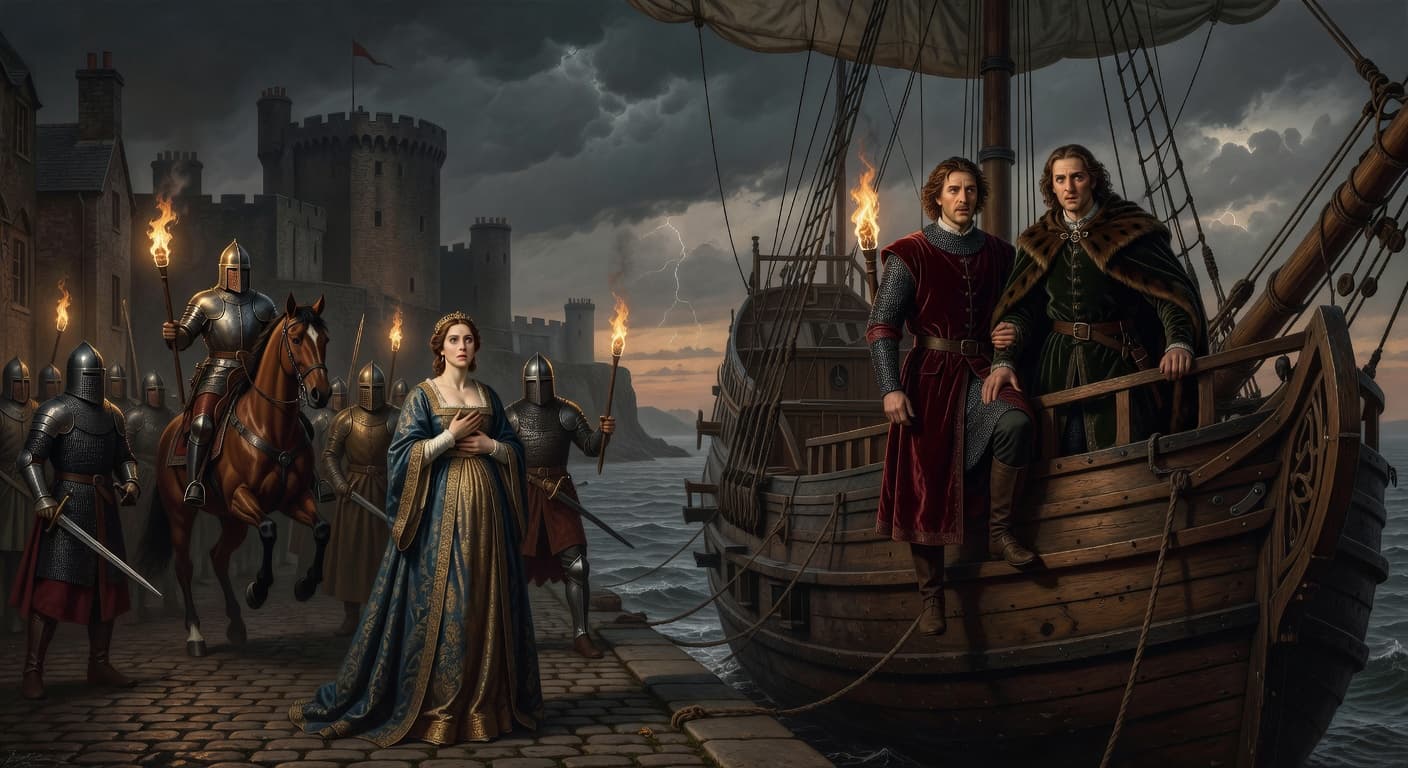
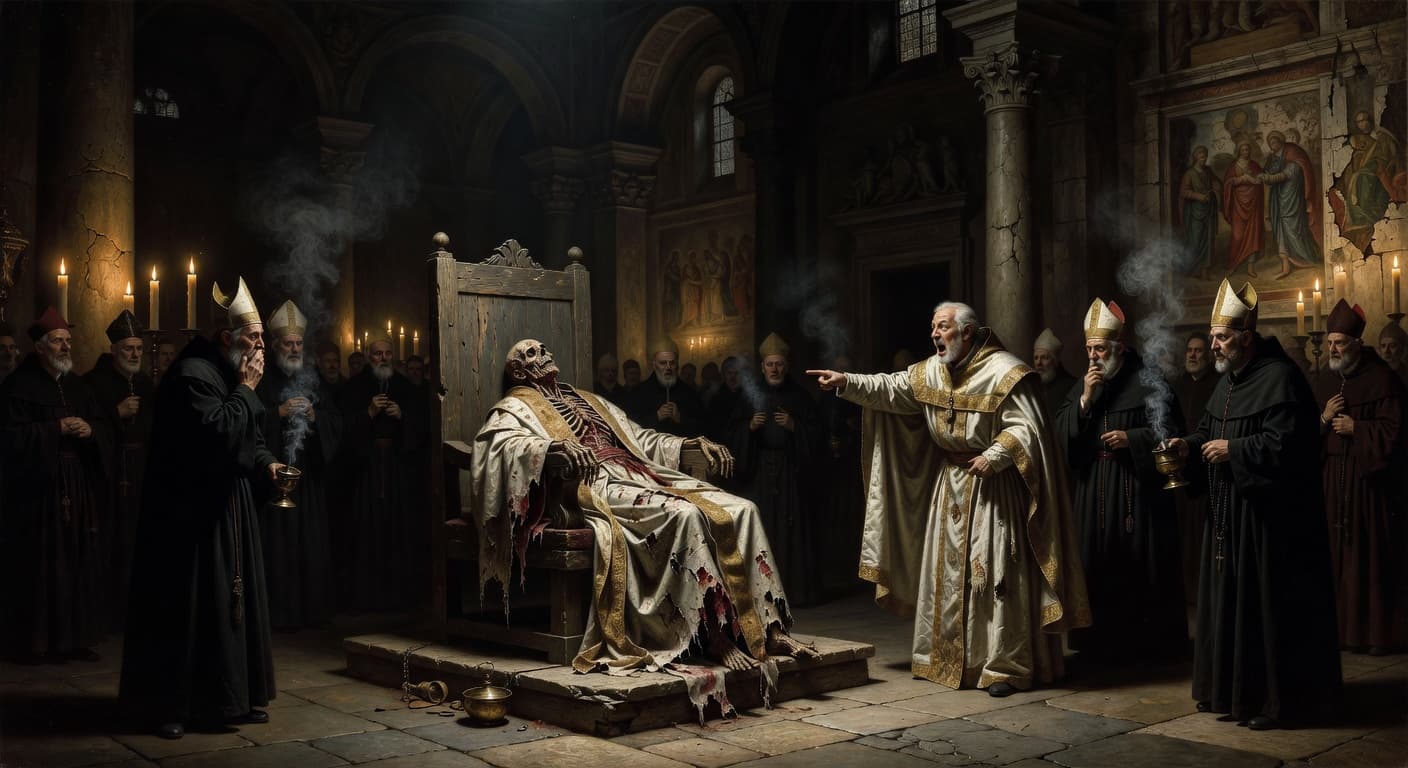
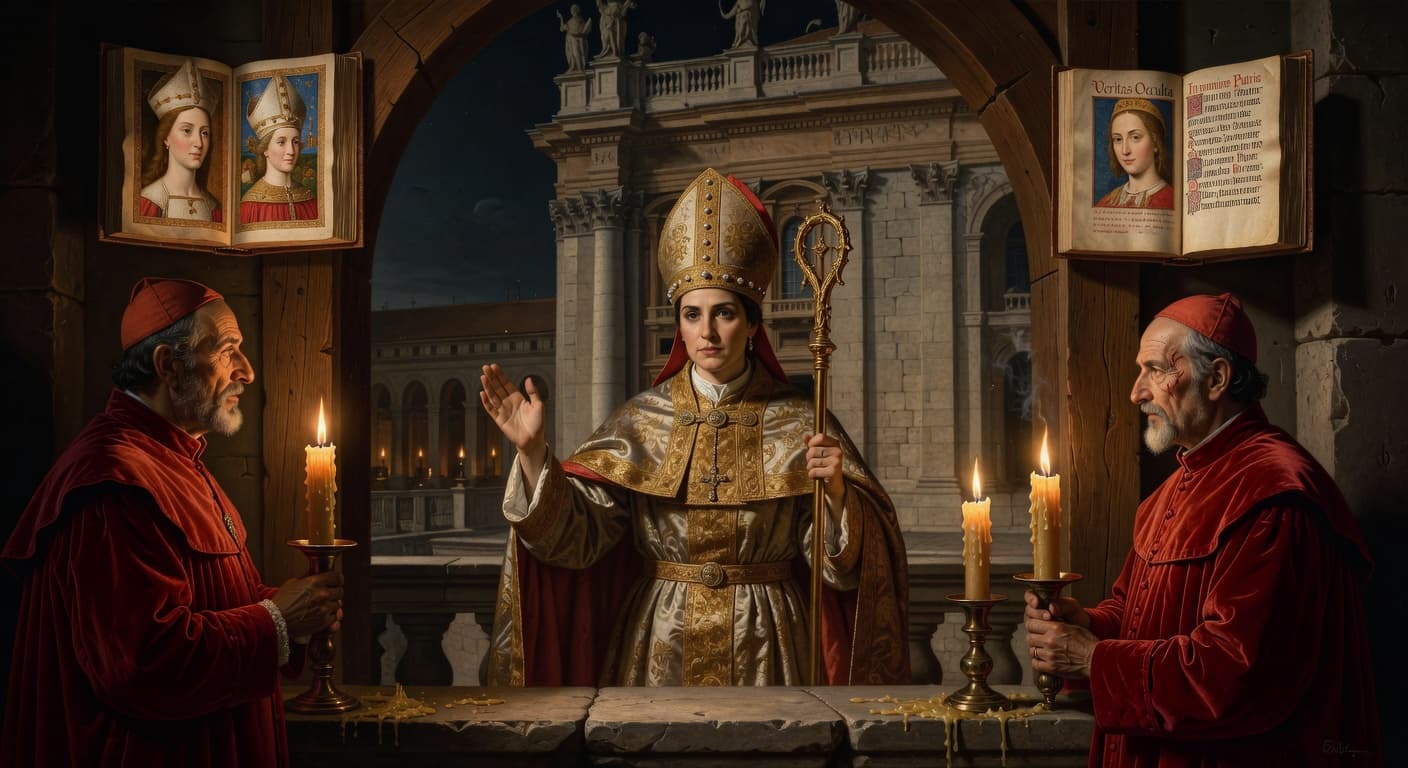
According to the most widely circulated version of the legend, a woman born in the German city of Mainz disguised herself as a man in the 9th century, traveled to Rome under the name John Anglicus, rose through the Church hierarchy on the strength of her extraordinary learning, and was elected Pope. She reigned — by most accounts for approximately two years in the 850s, between Popes Leo IV and Benedict III — until the disguise failed: she gave birth during a papal procession through the streets of Rome and died shortly after, either killed by the crowd or simply from the delivery. The story first appears in writing in the 13th century, nearly 400 years after the supposed events. The legend spread with remarkable speed and credibility. The Dominican chronicler Jean de Mailly recorded it around 1250, placing the female pope around 1100. Martin of Opava's influential Chronicle of the Popes and Emperors, written around 1265, fixed her in the 9th century and gave her the name John Anglicus of Mainz. By the 15th century, the Council of Constance referenced Pope Joan as a matter of established fact. Giovanni Boccaccio included her in his collection of famous women. Jan Hus cited her case as evidence of Church fallibility. Even Petrarch appears to have believed the account. A series of papal busts at Siena Cathedral, installed before 1400, included a figure explicitly labeled Ioannes VIII, femina ex Anglia — John VIII, a woman from England. Modern historians consider Pope Joan almost certainly legendary. The Liber Pontificalis — the official record of papal succession — shows no gap between Leo IV and Benedict III. No contemporary 9th-century source mentions her. The earliest texts arrive 400 years late. Protestant polemicists seized on the legend in the 16th century to embarrass Rome, and Catholic apologists spent the following centuries systematically debunking it. What makes the legend historically significant is not its truth but its medieval credibility: for at least 200 years, educated Europeans across the continent believed the papacy had once been held by a woman, and found that believable enough to pass down, elaborate, and eventually inscribe in stone.
Score Dimensions
Original Source
wikipedia.orgLike
Dislike
Skip
Save