Back to Feed
Medieval · Paris, France
The Friday the 13th Massacre: How Philip IV Destroyed the Knights Templar
★ 9.0 / 10medieval historyreligious persecutionsecret societiesconspiracy
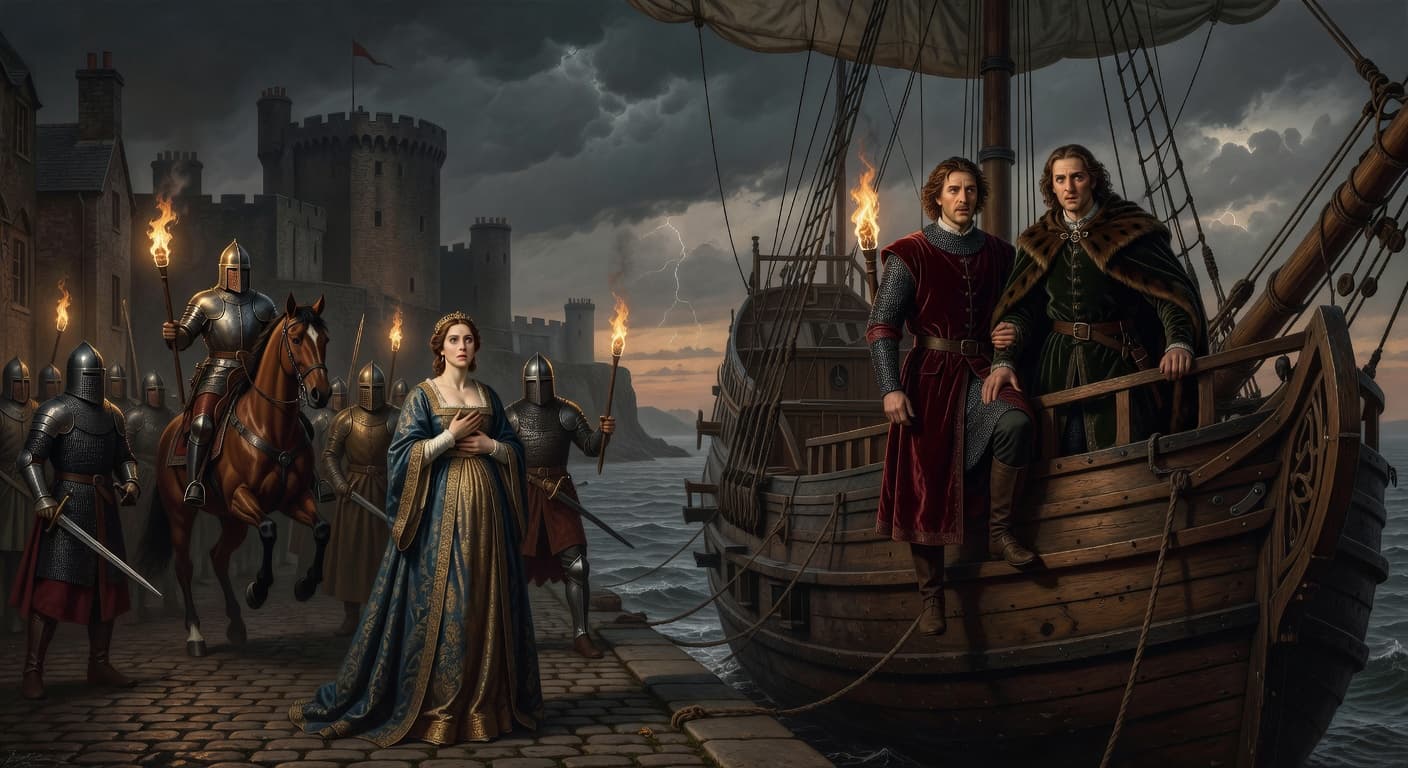
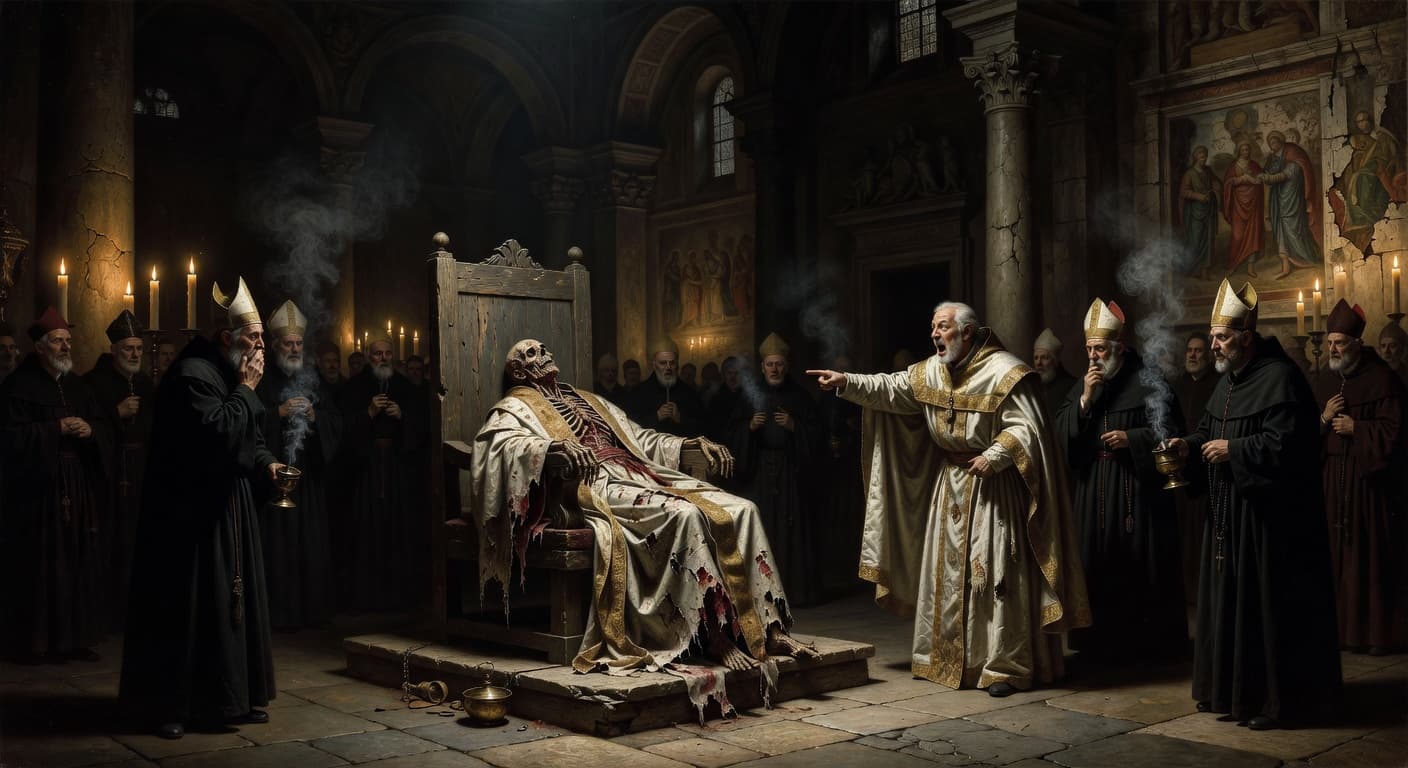
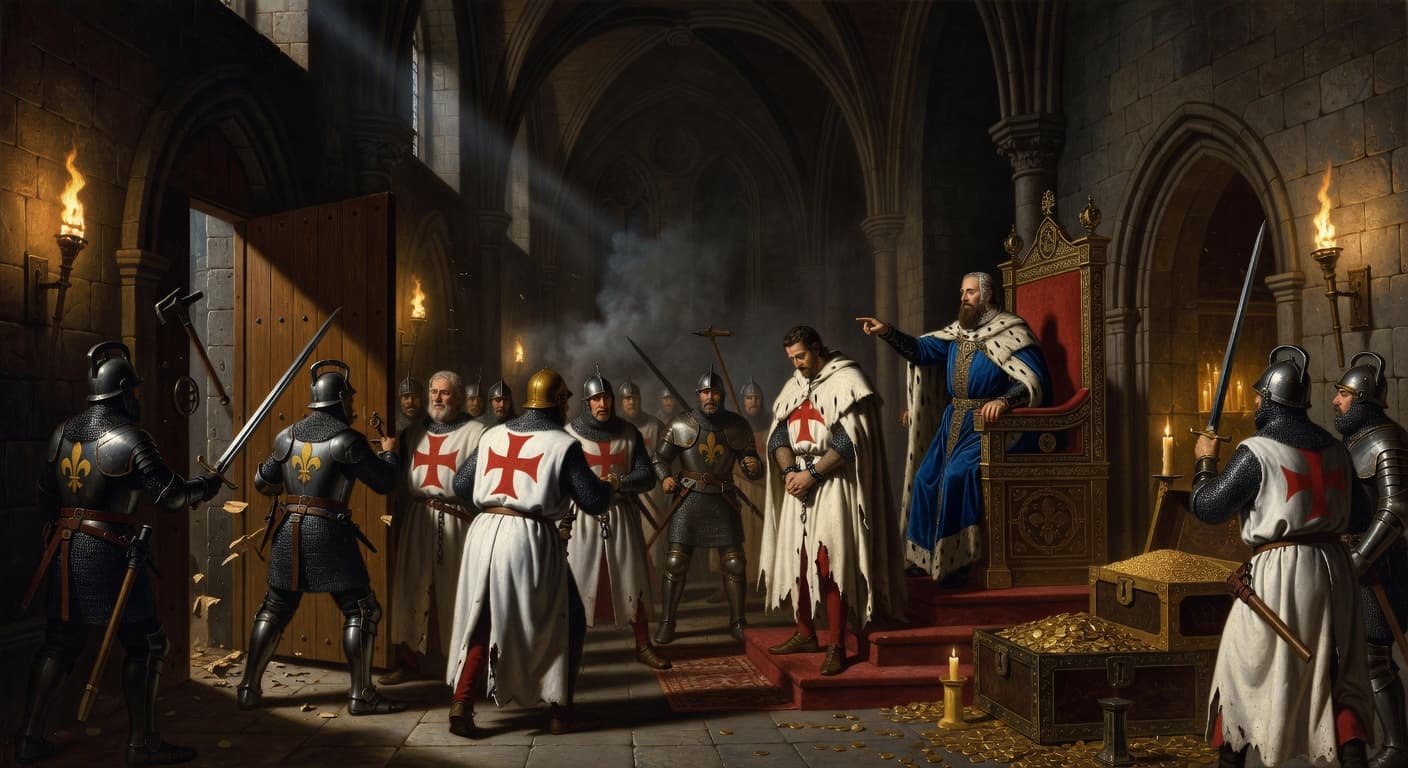
On the night of October 12, 1307, sealed orders were opened by royal officers across the Kingdom of France. At dawn the next morning — Friday, October 13 — King Philip IV had the Grand Master of the Knights Templar, Jacques de Molay, and hundreds of his knights simultaneously arrested across the country. The charges were sensational: sodomy, denial of Christ during initiation ceremonies, worship of an idol called Baphomet, and spitting on the Cross. Philip, who was catastrophically in debt to the Templars from his war against England, had their vast wealth seized immediately. Under documented torture — including application of fire to the feet, forced feeding of salt without water, and suspension by the arms — confessions were extracted. Grand Master de Molay himself confessed that Templar initiations required new members to "deny Christ and trample on the Cross," adding a letter to his fellow knights urging them to do the same. A total of 138 prisoners gave testimony in the first Paris trial, nearly all admitting guilt to at least one charge. One young knight, Raymond de la Fère, testified: "I, Raymond de la Fère, 21 years old, admit that I have spat three times on the Cross, but only from my mouth and not from my heart." In 2001, the Vatican Secret Archives yielded a document hidden for nearly 700 years: the Chinon Parchment of 1308. It showed that Pope Clement V had secretly absolved all the Templars of heresy after examining them — but then publicly maintained their guilt under Philip's pressure. De Molay and companion Geoffroi de Charney were burned alive at Paris on March 18, 1314, after recanting their confessions on the scaffold. Both Philip IV and Pope Clement V died within the year. The date of those mass arrests — Friday the 13th — is the most plausible origin of the Western superstition about that date.
Score Dimensions
Original Source
wikipedia.orgLike
Dislike
Skip
Save