Back to Feed
Renaissance · London, England
The Poisoned Prisoner of the Tower: How a Royal Favorite's Marriage Led to Murder
★ 8.8 / 10Stuart dynastyTower of Londonpoisoningcourt intrigue
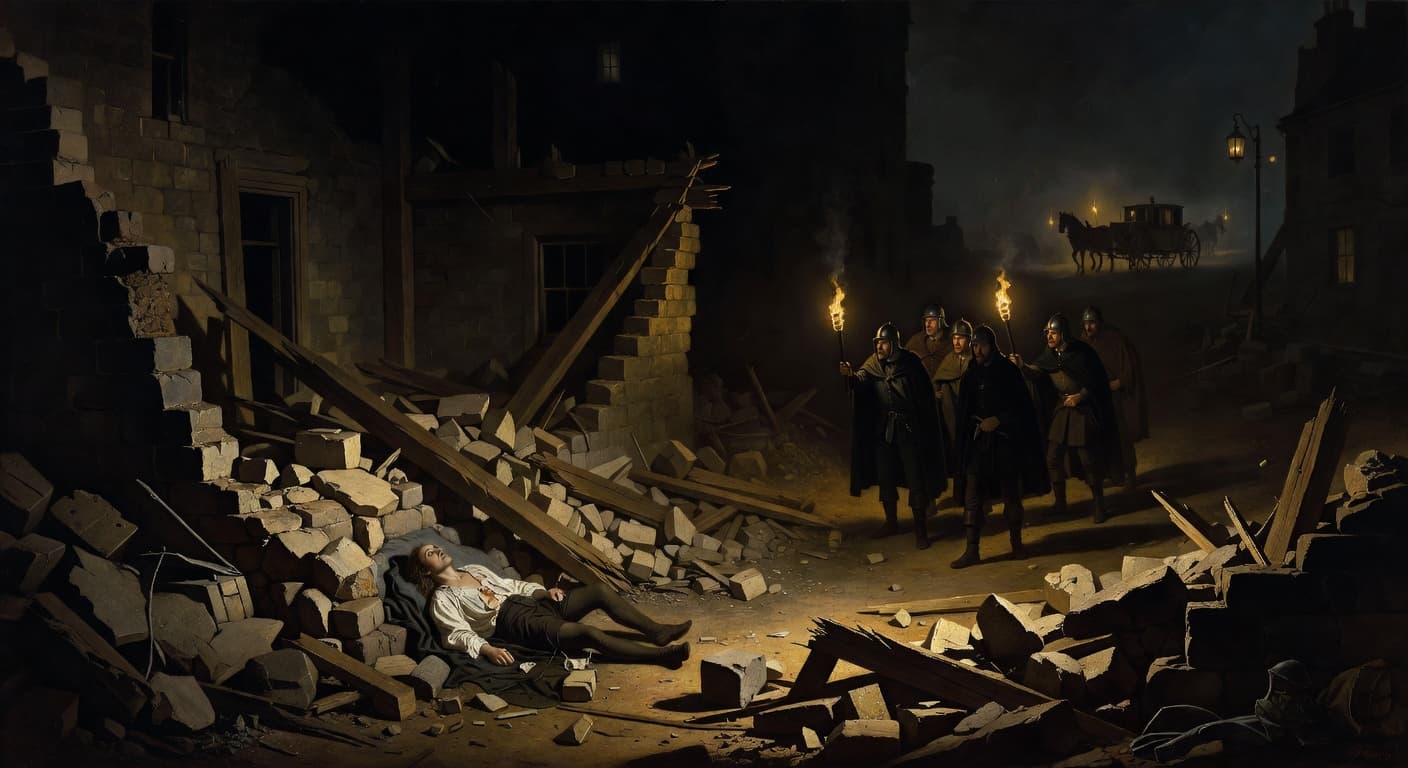
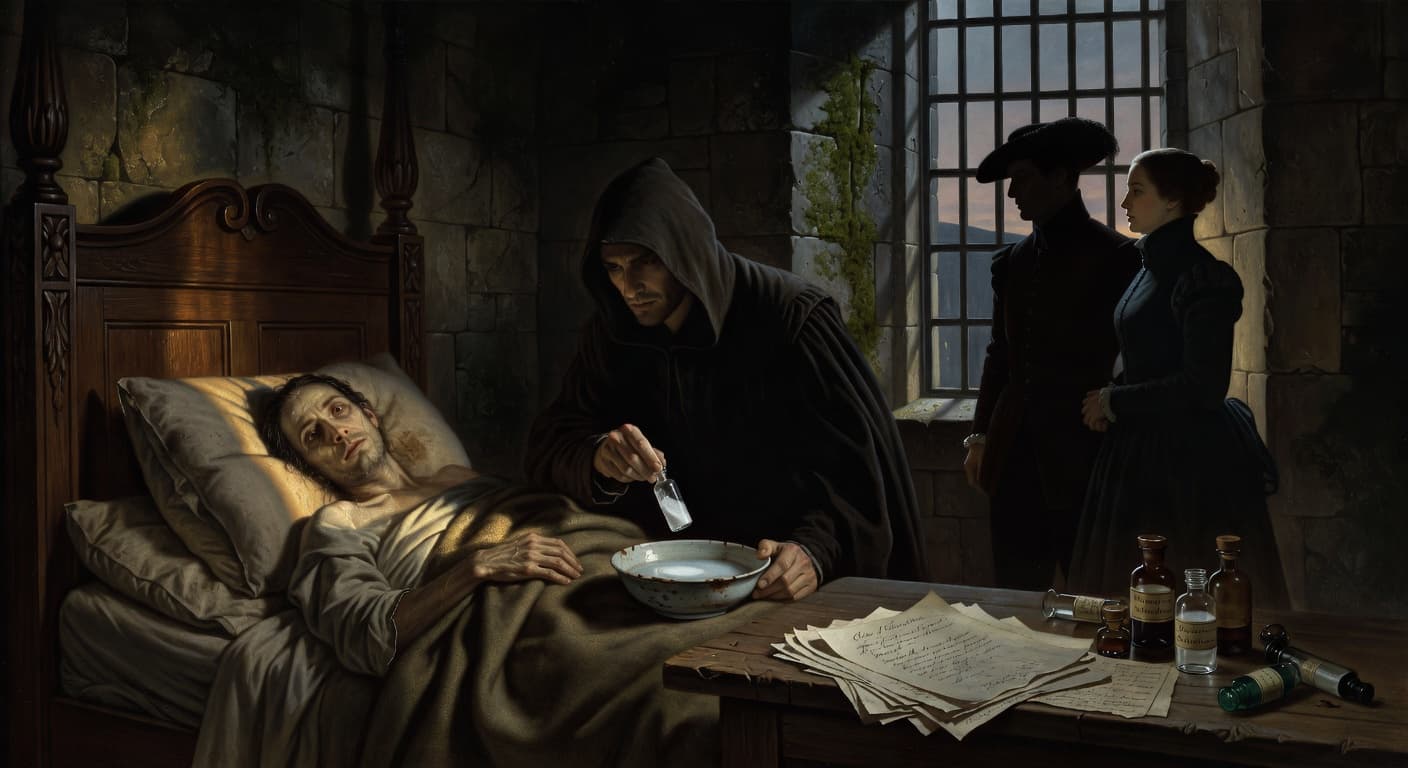
In the autumn of 1615, it was discovered that Sir Thomas Overbury — poet, courtier, and close friend of the royal favorite Robert Carr — had not died of natural causes when he expired in the Tower of London in September 1613. He had been systematically poisoned over a period of weeks with mercury sublimate, arsenic, and cantharides introduced into his food by a succession of Tower personnel who had been bribed and suborned. The investigation that followed reached directly to the Countess of Somerset, née Frances Howard, and to her husband — James I's own favorite. The story had begun as a love triangle with unusual geometry. Frances Howard, married unhappily at fourteen to the Earl of Essex, had become infatuated with Robert Carr, James I's first great favorite. She petitioned to annul her marriage on grounds of Essex's impotency — a humiliating proceeding in which a panel of matrons physically examined her virginity, a proceeding she reportedly passed by substituting a veiled substitute for the examination. Carr's friend and advisor Overbury had strenuously opposed the match, knowing it would diminish his own influence. He was therefore imprisoned in the Tower on a pretext in April 1613. Frances then arranged his death. The Howards and Carrs presented gifts to the Tower's lieutenant, his wife, and an apothecary's assistant. Overbury received tarts, jellies, and wine. He deteriorated over five months, his body reportedly covered in sores and pustules before he died at age thirty-two. Frances Howard and Robert Carr, now Earl and Countess of Somerset, married in December 1613 with James I himself attending the celebrations. The truth emerged when a Somerset associate, seeking leverage in an unrelated dispute, revealed the poisoning to the king. James was apparently devastated — not least because it implicated his own favorite. The Somersets were tried in 1616, convicted, and sentenced to death. James commuted both sentences to imprisonment in the Tower. In an extraordinary coda, he then imprisoned them in the same tower where Overbury had been murdered — then released them in 1622 and exiled them to their country estate, where they lived out their lives in total estrangement from each other.
Score Dimensions
Original Source
wikipedia.orgLike
Dislike
Skip
Save