Back to Feed
Renaissance · London, England
Henry VIII's Perfect Murder: The Show Trial That Beheaded a Queen
★ 9.1 / 10Tudor dynastyshow trialEnglish Reformationroyal execution
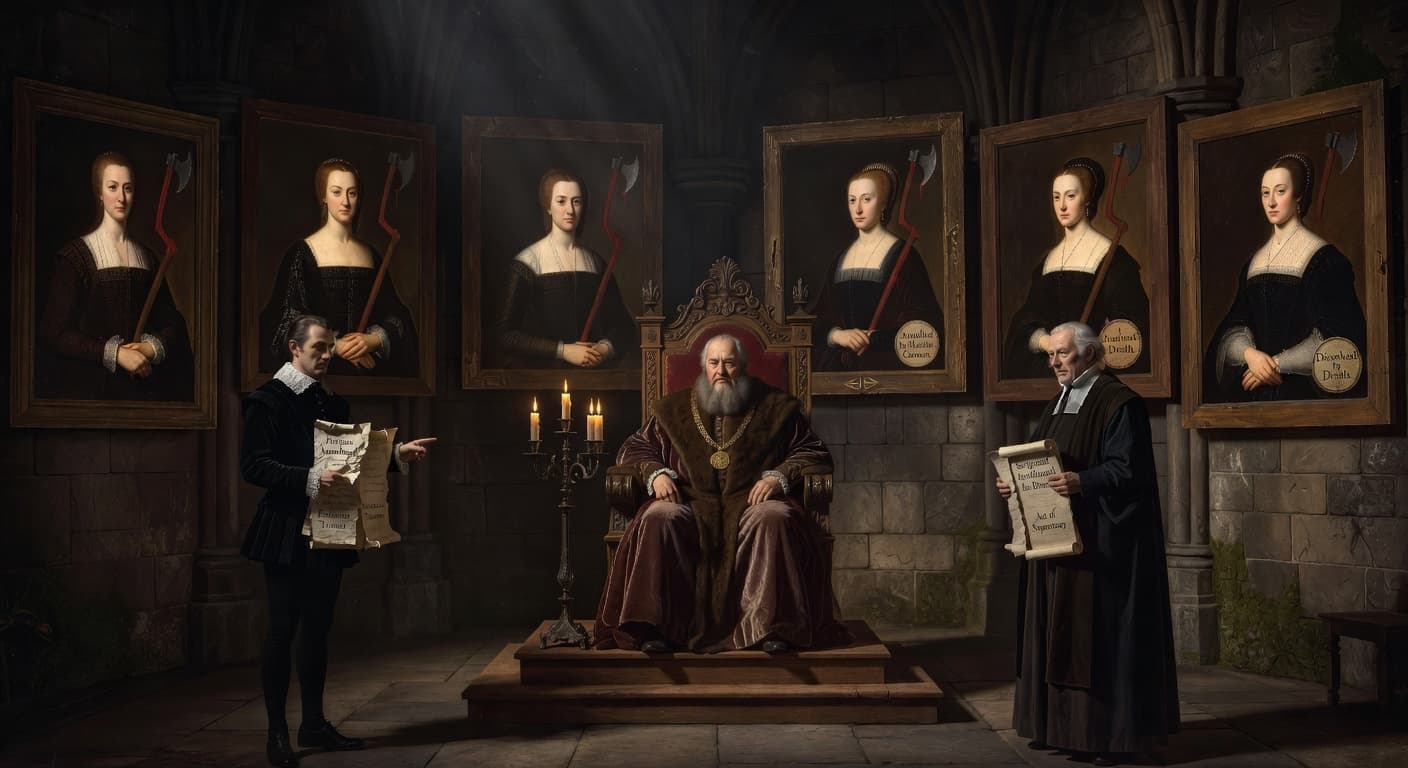
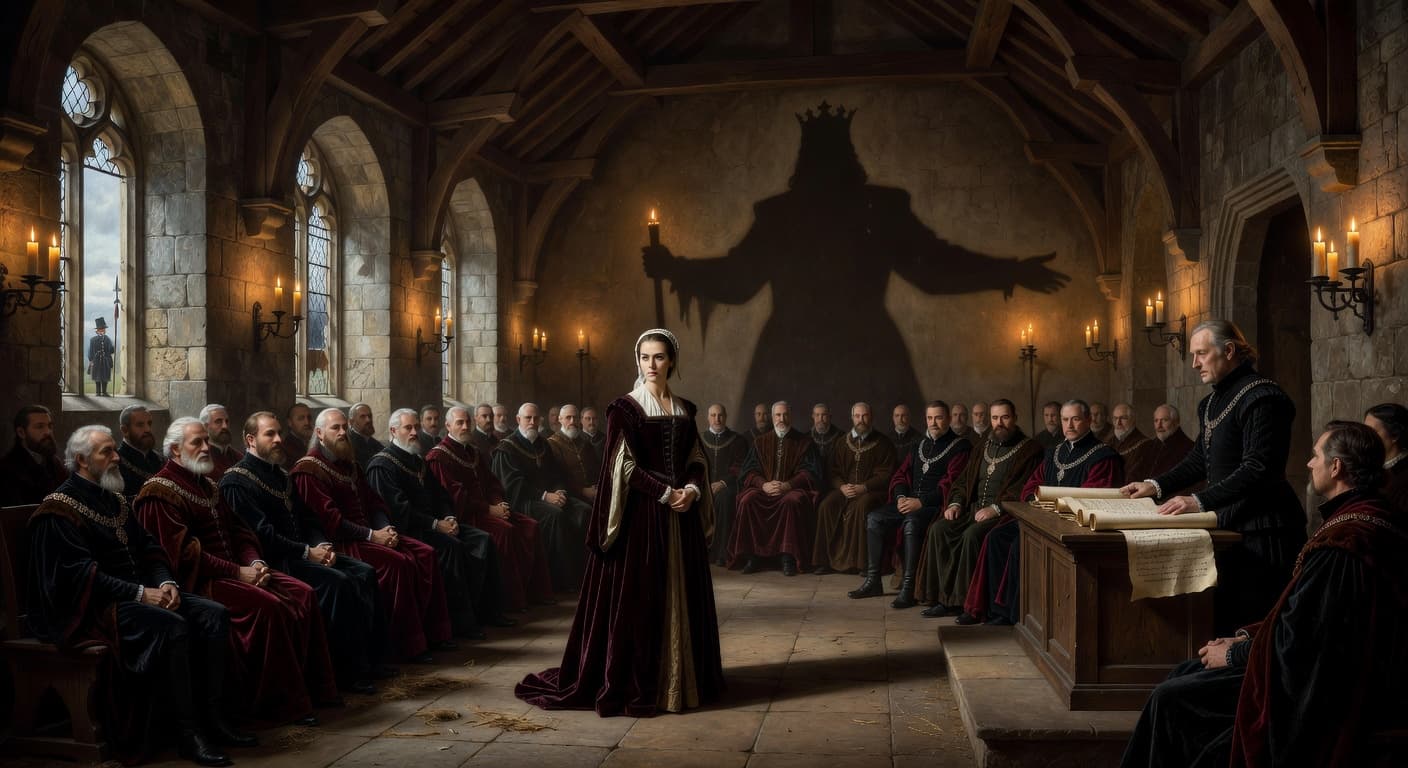
On May 2, 1536, Anne Boleyn was arrested and taken to the Tower of London she had entered in triumph as queen just three years earlier. Twelve days later, she was dead — convicted by a jury of 27 peers of adultery with five men, including her own brother, conspiracy to murder the king, and high treason. She had been Henry's obsession for six years, the woman for whom he had broken from Rome and remade England's religious settlement. Thomas Cromwell required eleven days to destroy her. The charges were constructed with bureaucratic precision from evidence that would not survive scrutiny in any court of law. The musician Mark Smeaton confessed to adultery with the queen — but his confession was almost certainly extracted under torture. Three other accused men, including Henry Norris and Francis Weston, maintained their innocence until death. Her own brother George Boleyn was charged with two specific acts of incest at Whitehall in November 1535 and Eltham in December — dates that palace records show Anne was elsewhere. The Crown presented no live witnesses at trial. When the jury returned a unanimous guilty verdict, observers in the room were visibly shocked; the verdict reflected not evidence but the terror of contradicting Henry VIII. The precipitating political cause is now largely agreed upon by historians: Anne had failed to produce a male heir, miscarrying what appeared to be a deformed fetus in January 1536. Henry was already deeply infatuated with Jane Seymour. Thomas Cromwell needed Anne gone — they had quarreled over the distribution of monastic wealth being dissolved in the Reformation — and Henry needed a legal mechanism to marry again without repeating the years-long nightmare of the Catherine of Aragon divorce. Eric Ives, Anne's foremost modern biographer, identified twelve instances in which documentary evidence conclusively places Anne or her alleged lovers elsewhere during the dates specified in the indictment. The cruelest legal irony: Henry had their marriage annulled before her execution, on the grounds that his previous marriage to Catherine of Aragon had been valid all along — meaning Anne had never legally been queen, and could not legally have committed treason as queen, and yet was executed for precisely that treason. She was buried in an arrow chest, without a coffin, in the Tower's Chapel of Saint Peter. Henry was betrothed to Jane Seymour the following morning.
Score Dimensions
Original Source
wikipedia.orgLike
Dislike
Skip
Save