Back to Feed
Renaissance · London, England
Six Wives, Four Annulments, Two Executions: The Mechanics of Henry VIII's Marriage Machine
★ 8.8 / 10Tudor dynastyEnglish Reformationroyal marriagespolitical power
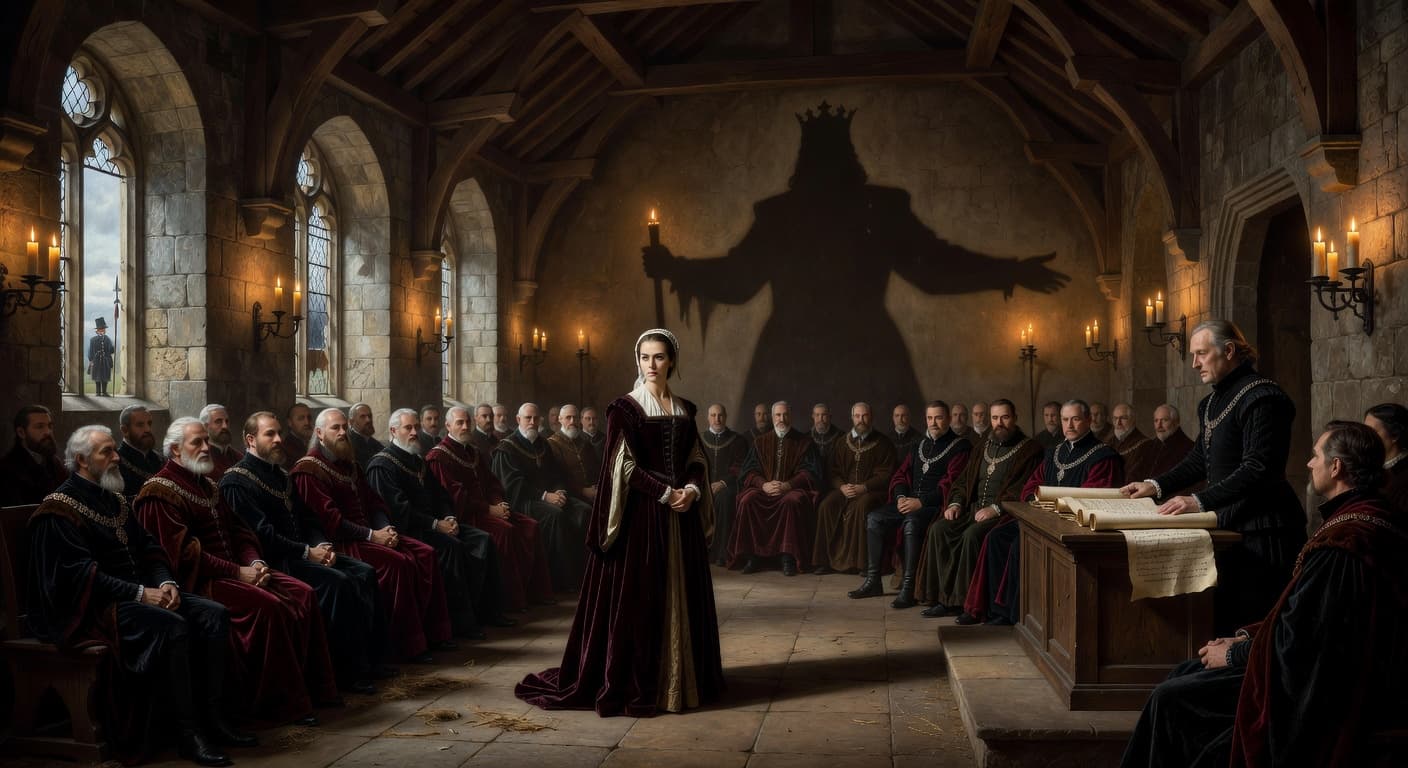
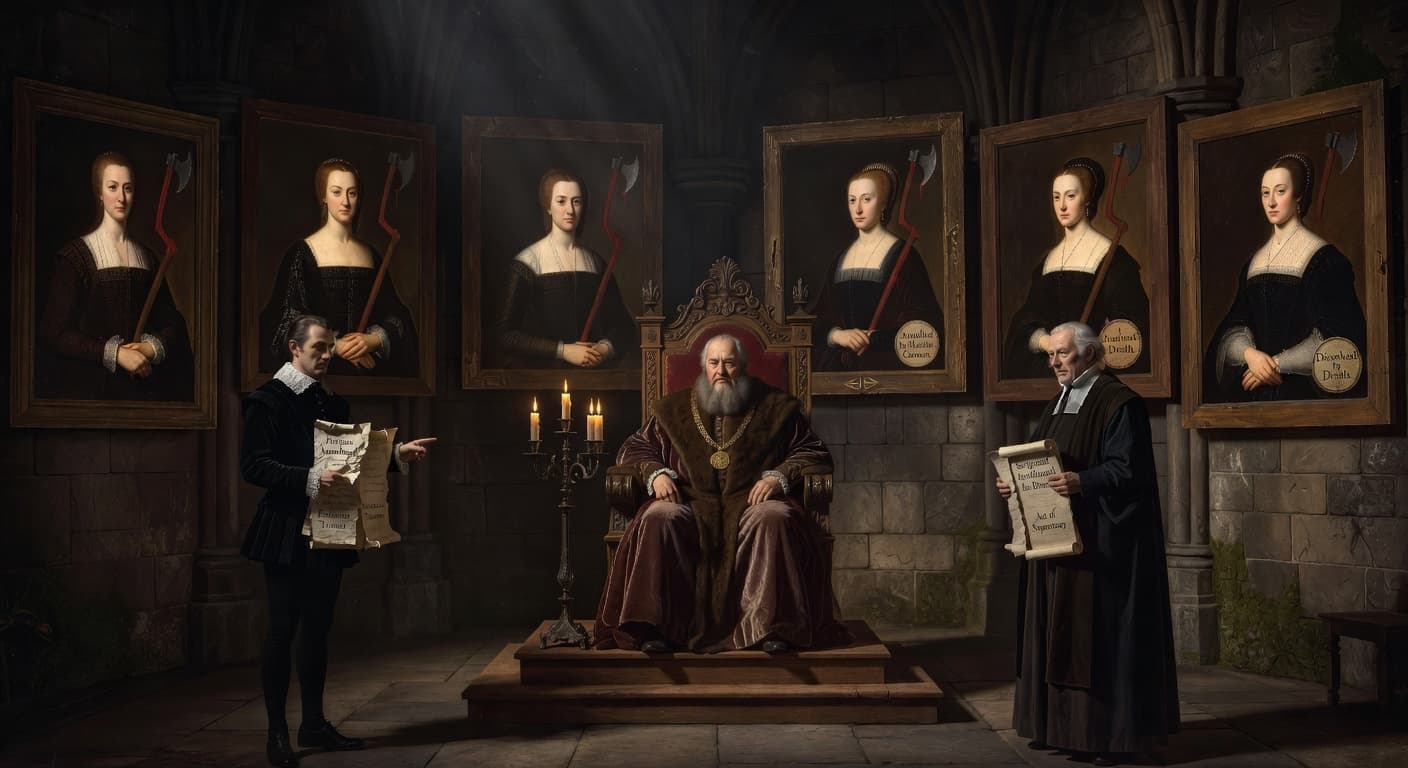
Henry VIII married six times between 1509 and 1543 and disposed of his wives through a system of escalating legal violence that he perfected with each iteration. Catherine of Aragon, his first wife of twenty-four years, was simply declared never to have been his wife at all — her previous marriage to his brother Arthur, which she and her supporters insisted had never been consummated, was ruled valid, retroactively annulling two and a half decades of marriage. Catherine died under house arrest at Kimbolton Castle in 1536, denied access to her daughter Mary and forbidden to use her royal title. Henry celebrated with a jousting tournament. Anne Boleyn, the woman for whom he had broken from Rome, lasted three years as queen before Thomas Cromwell constructed a treason case from allegations that historians have since demonstrated were fabricated. Her marriage to Henry was itself annulled the day before her execution — on the legal grounds that his marriage to Catherine had been valid, meaning Anne had never been queen, meaning she could not technically have committed treason as queen, yet was executed for that very treason. Jane Seymour, his third wife, died in childbirth in 1537 after giving him the male heir he had spent a quarter century seeking; Henry wore black for three months and later requested burial beside her. Anne of Cleves was married and annulled within six months in 1540, the dissolution conducted so rapidly that some historians question whether the marriage was ever consummated. Henry complained she was nothing like her portrait by Hans Holbein — a documented episode that made Holbein, who had painted the flattering likeness, briefly flee court. Catherine Howard, his fifth wife, was twenty years old when she was beheaded for alleged adultery and treason in 1542 — the evidence rested partly on her teenage dalliances before she was queen, which no one had warned her would later constitute treason. Catherine Parr, his sixth wife, survived only because Henry died first; she came within weeks of arrest on heresy charges in 1546 before temporarily talking her way out. What distinguishes Henry's marriage record from ordinary royal dysfunction is its institutional character: each disposal was legally engineered, with parliamentary acts and ecclesiastical courts constructing bespoke legal frameworks. England's constitution was rewritten twice to manage his marriages. A new category of treason — refusing to acknowledge the royal supremacy — was created. The Church of England itself exists, in significant part, because one man could not otherwise divorce his wife.
Score Dimensions
Original Source
wikipedia.orgLike
Dislike
Skip
Save