Back to Feed
Renaissance · London, England
The King's Dog: James I and the Man He Called His Wife
★ 8.5 / 10Stuart dynastyLGBTQ historycourt favoritesroyal scandal
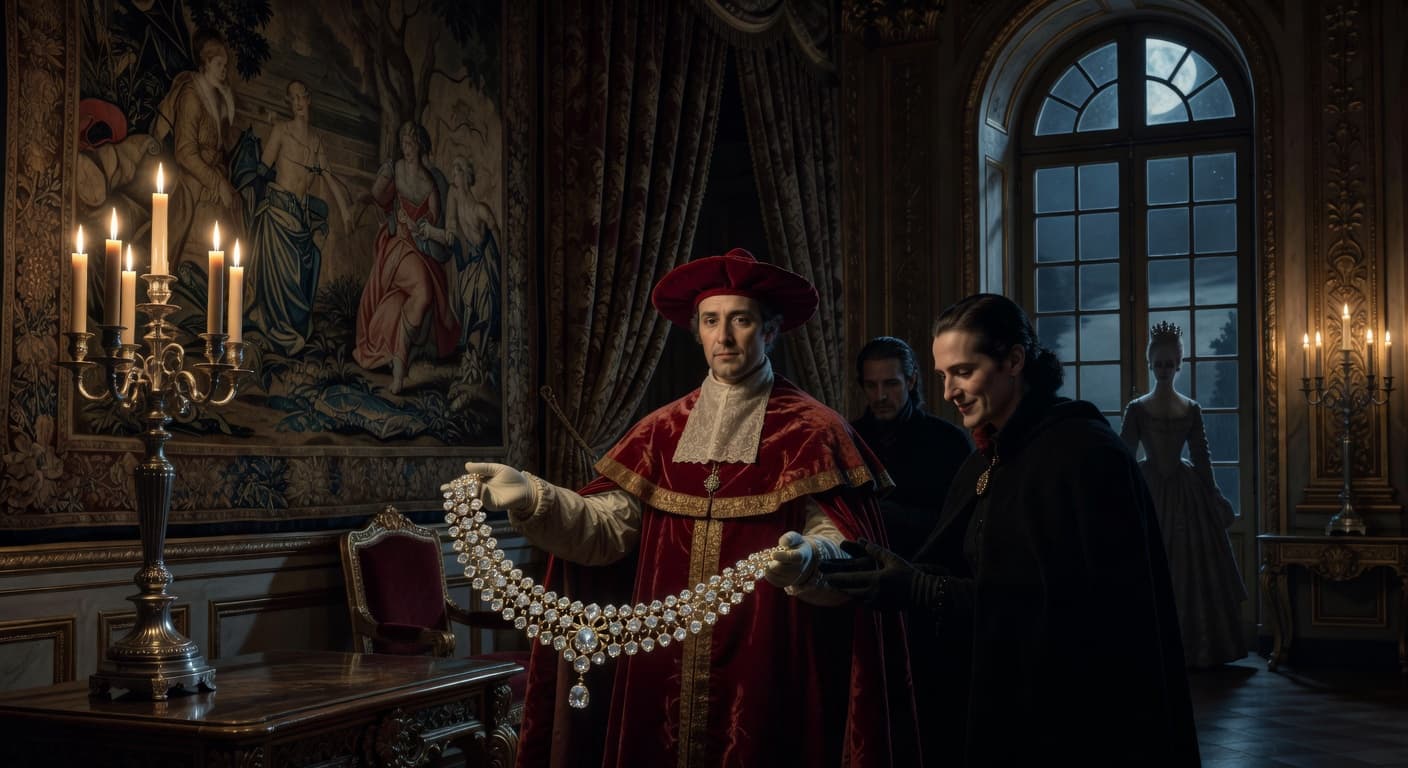
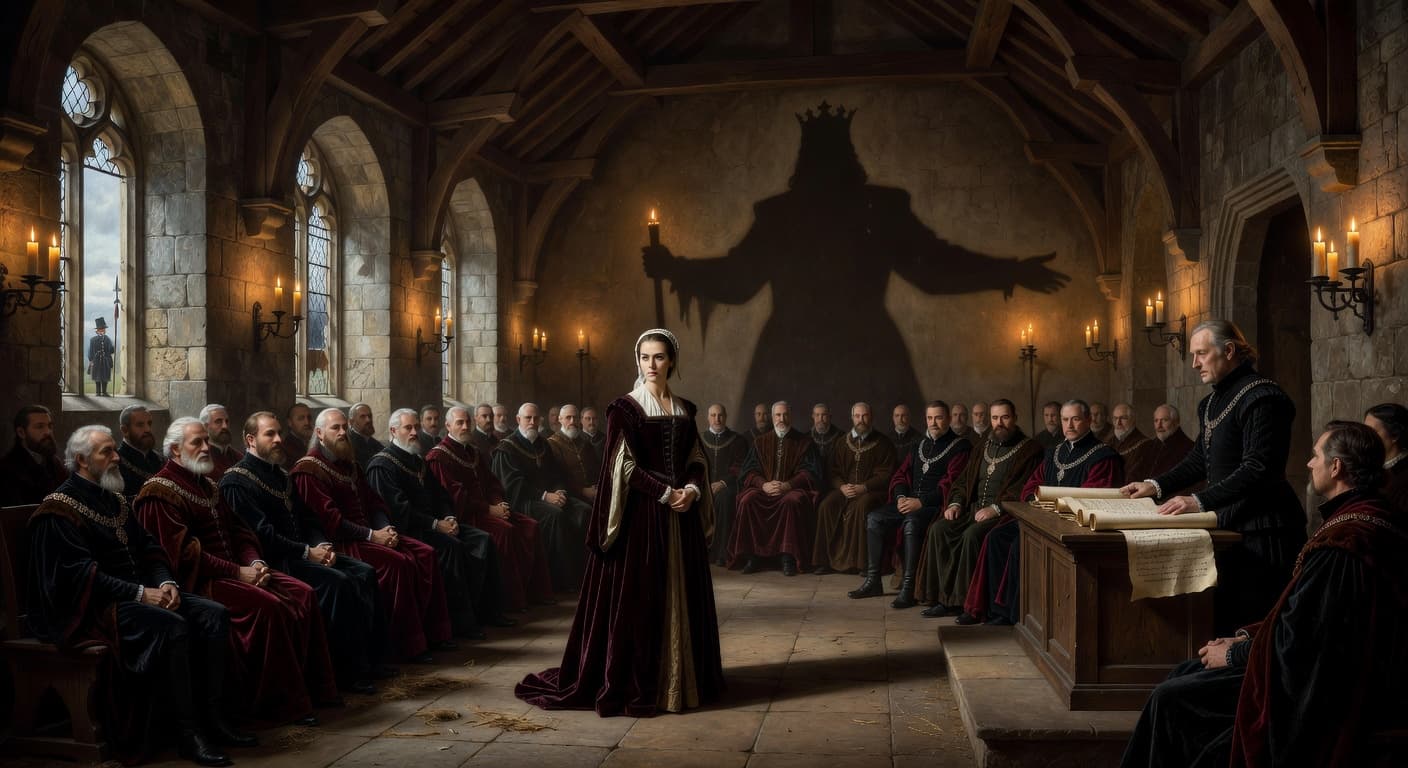
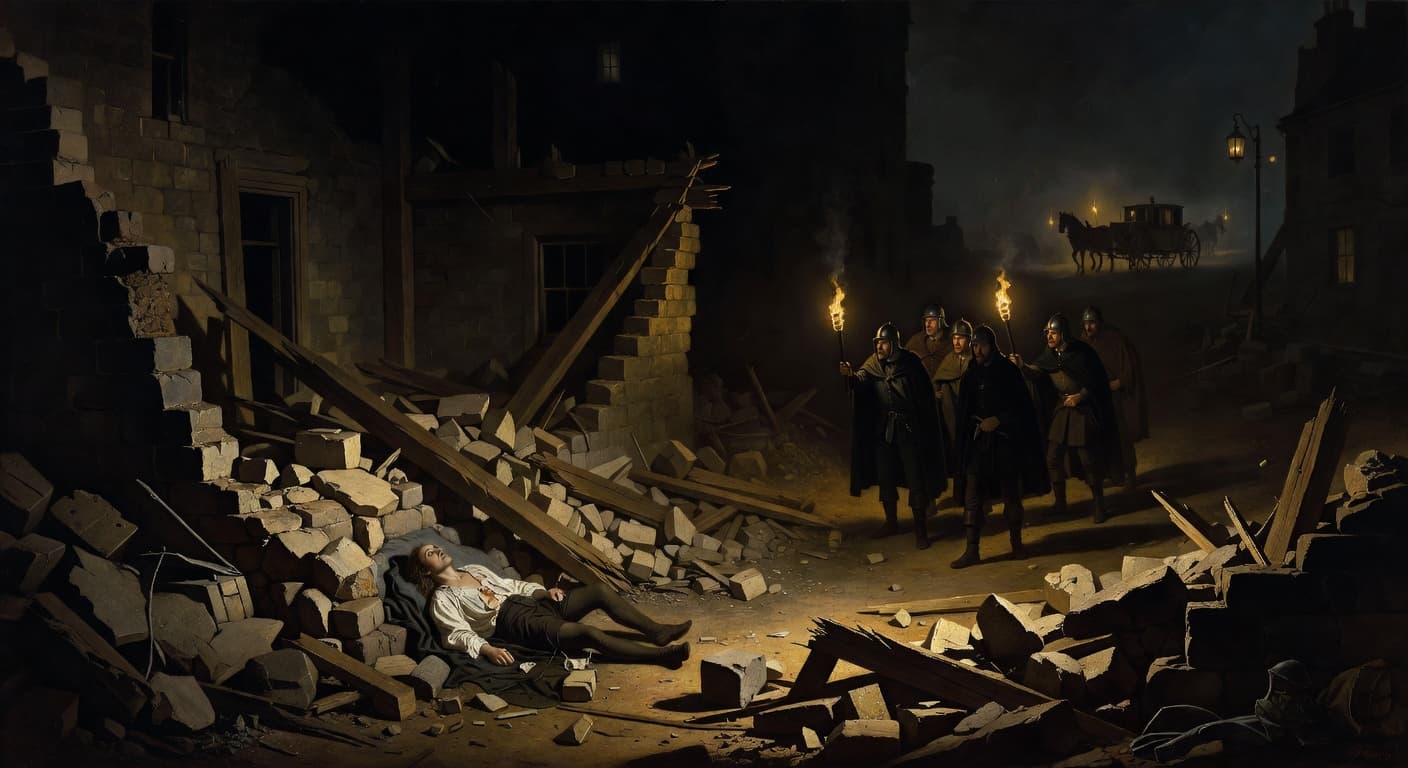
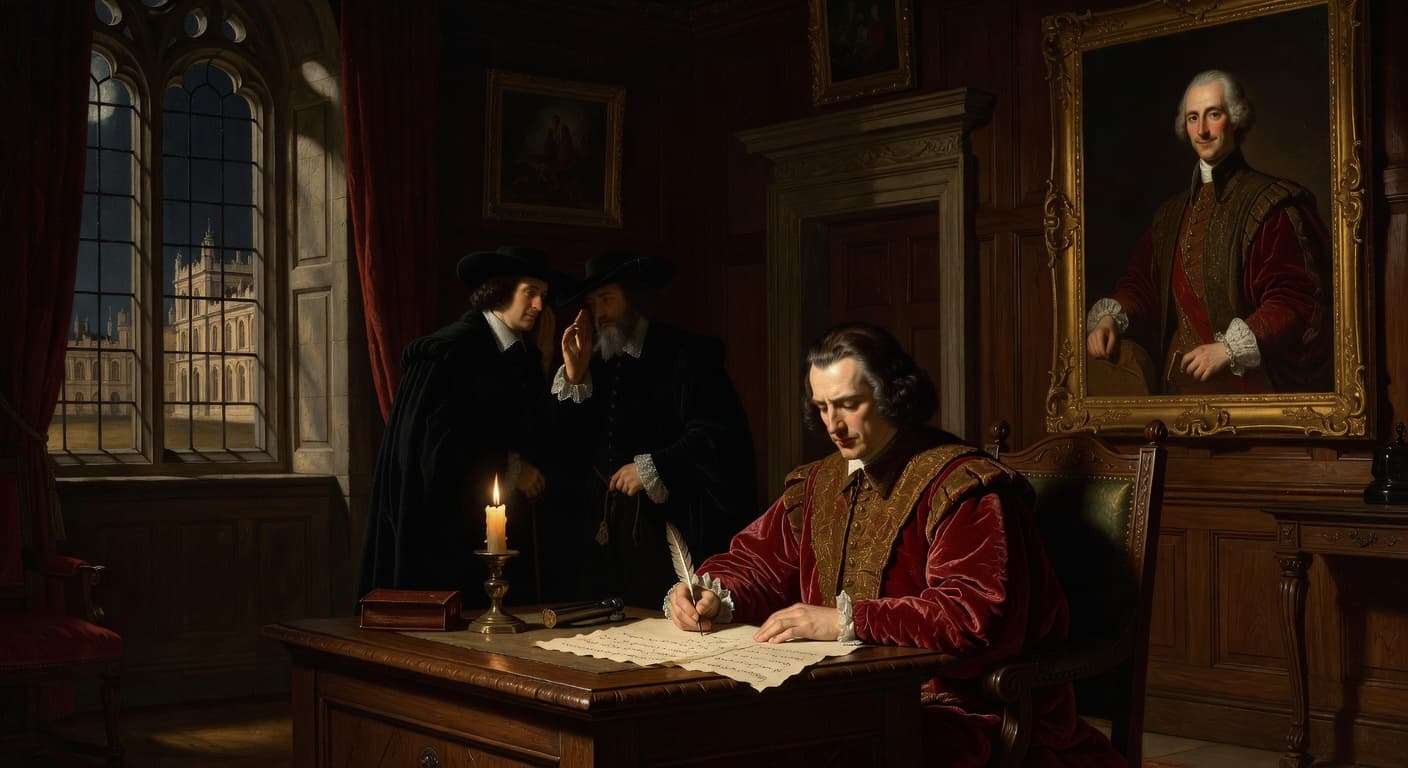
In December 1623, King James I of England — ruler of three kingdoms, author of the King James Bible, monarch who had survived the Gunpowder Plot — wrote a letter to his chief minister and probable lover George Villiers, Duke of Buckingham, that reads more like a love letter than any state paper of the era: "I desire only to live in this world for your sake," he wrote, "and I had rather live banished in any part of the earth with you than live a sorrowful widow's life without you. And so God bless you, my sweet child and wife." Buckingham signed his own letters to the king "Your Majesty's most humble slave and dog." The relationship had begun in 1614 when James glimpsed the 22-year-old Buckingham at a hunt at Apethorpe. What James didn't know was that Buckingham had been deliberately placed there by a faction of courtiers who despised his current favorite, Robert Carr — a strategic seduction engineered by political rivals. But whatever its origins, the relationship became genuine. James showered Buckingham with unprecedented honors: from cup-bearer to Earl to Marquess to Duke in nine years, making him the most powerful non-royal in England. The Venetian ambassador reported that James "had given Villiers all his heart, who will not eat, sup or remain an hour without him and considers him his whole joy." Before Buckingham, there had been Robert Carr, discovered at a royal jousting tournament when he broke his leg and caught the king's eye. Thomas Howard, Earl of Suffolk, observed James "leans on his arm, touches his cheeks, smooths his ruffled garment." Carr rose to Lord Chamberlain before becoming embroiled in the murder of Sir Thomas Overbury, who had opposed Carr's marriage. Both Carr and his wife Frances Howard were convicted; James refused to execute them, instead imprisoning and then quietly releasing them. The nature of these relationships — whether physically consummated or an intense emotional intimacy without equivalent in modern categories — remains debated. James fathered seven children with his wife Anne of Denmark, and 17th-century concepts of sexuality precede any modern framework. What is documented, in court dispatches, royal letters, and multiple ambassadorial reports, is a king who organized his emotional life around young men he elevated to near-royal status and addressed as his wives and dogs, while governing an empire.
Score Dimensions
Original Source
wikipedia.orgLike
Dislike
Skip
Save