Back to Feed
Victorian · London and Edinburgh, Britain
The Resurrection Men: Britain's Body-Snatching Industry That Supplied Medical Schools
★ 8.1 / 10grave-robbinganatomymedicinecrime
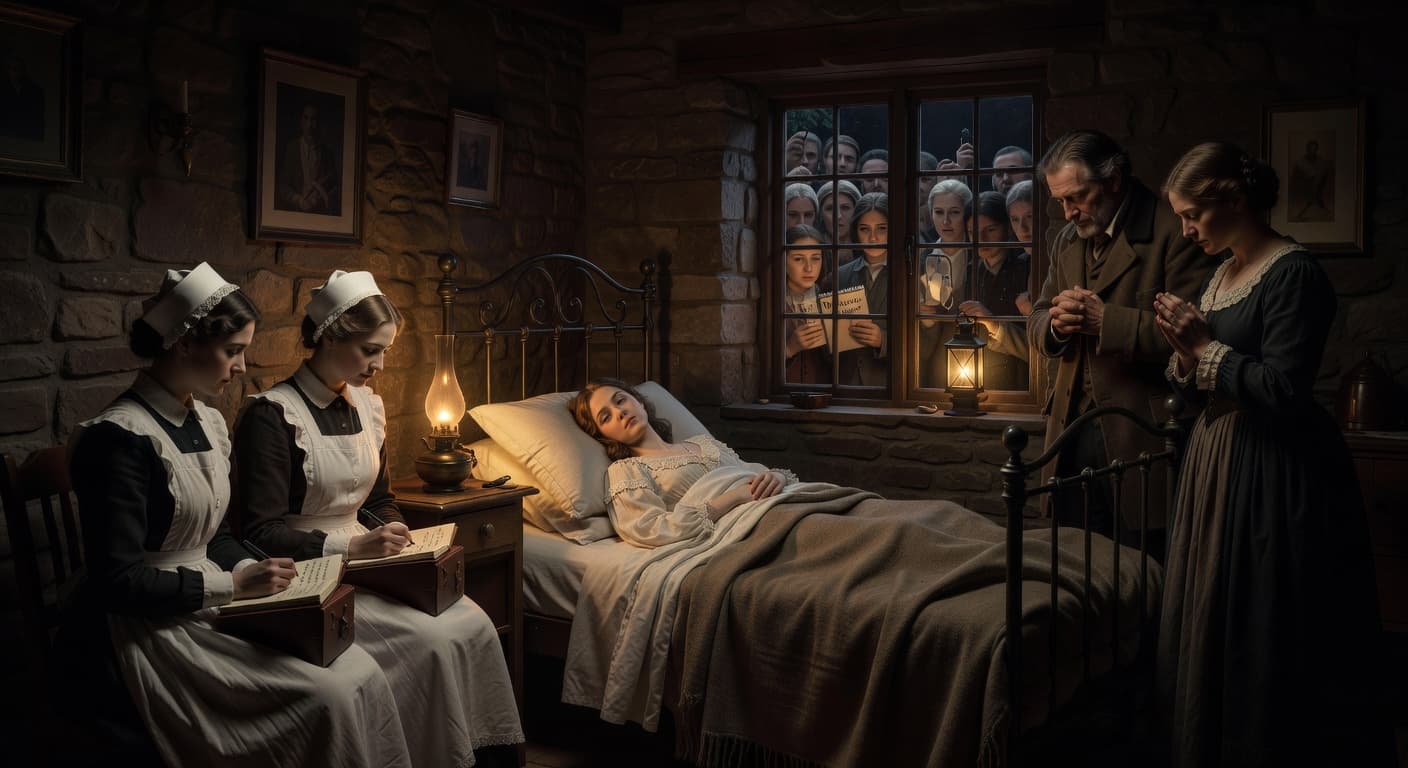
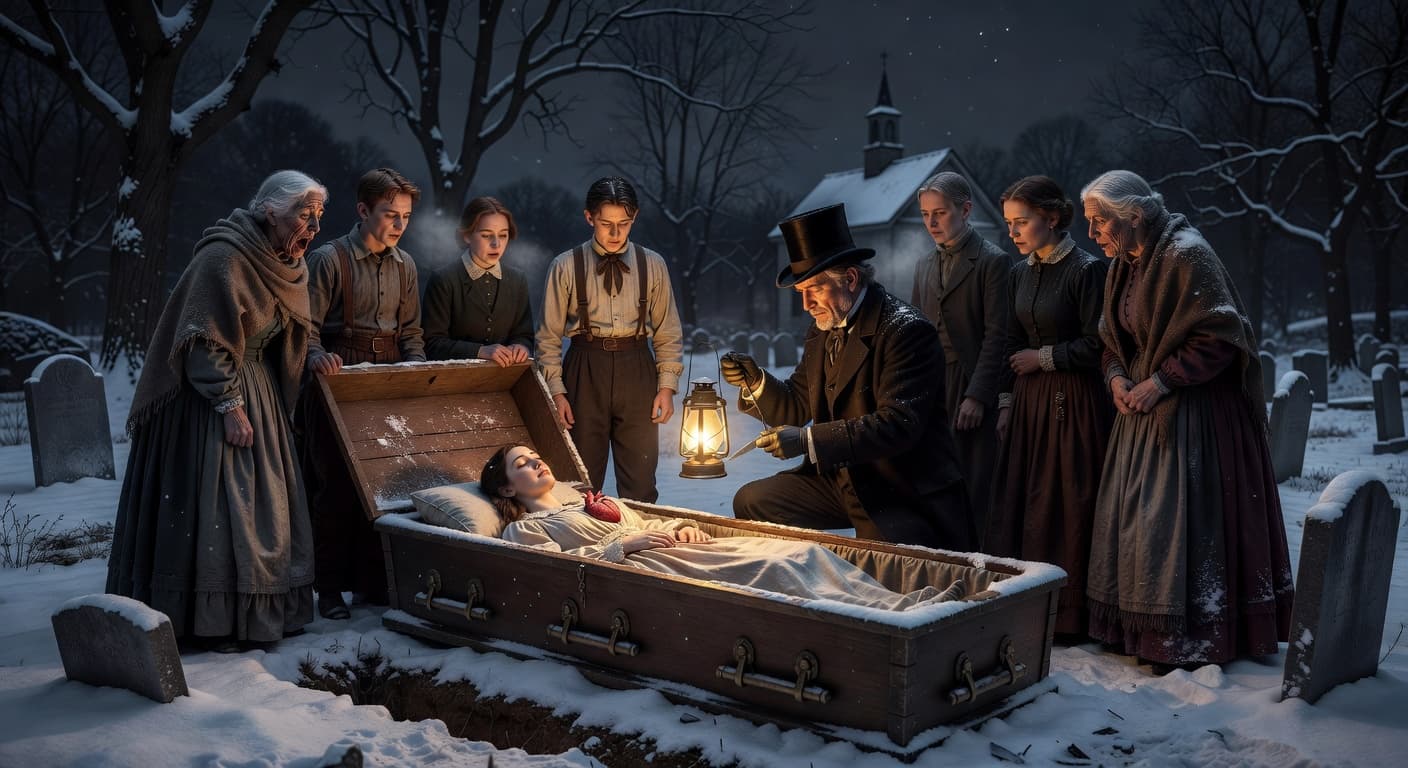
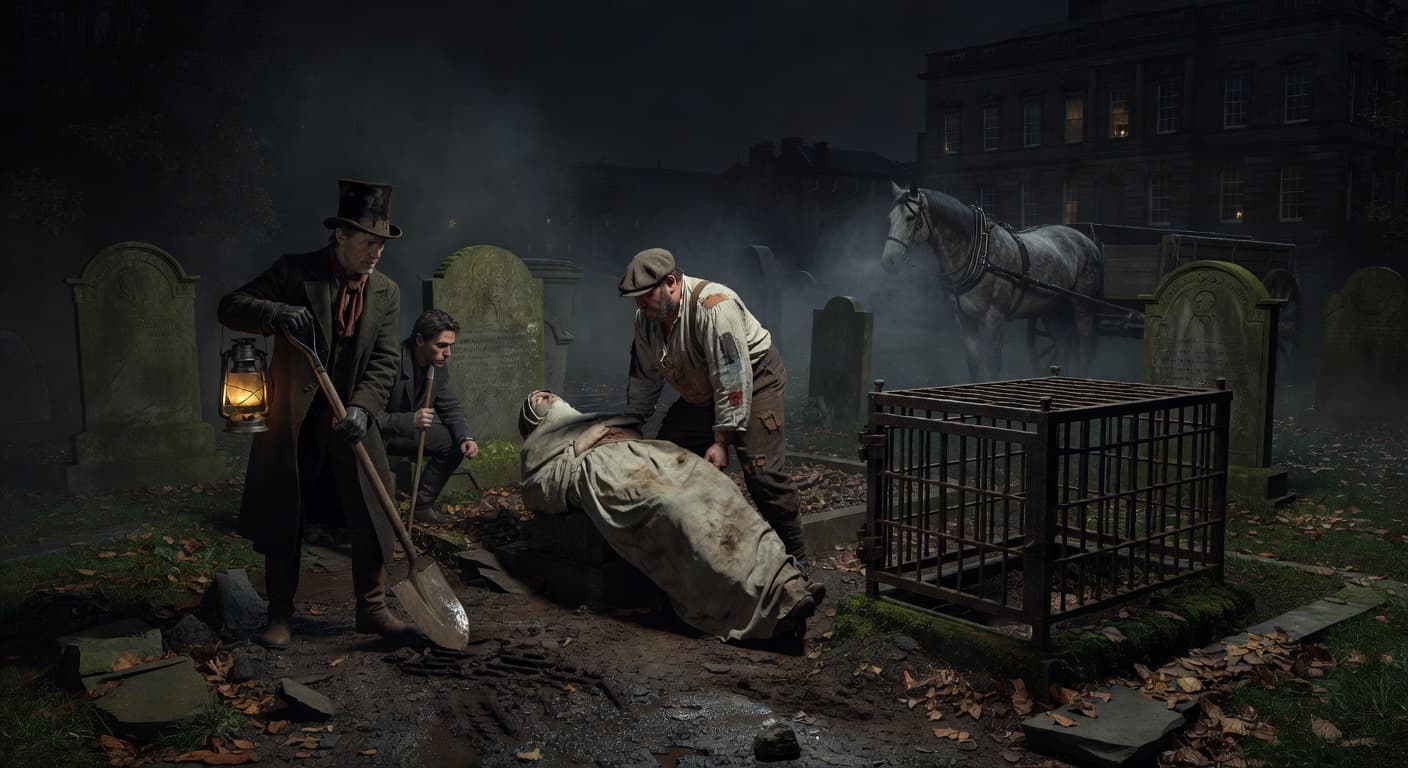
In the early nineteenth century, Britain's medical schools faced a supply problem: the law permitted only the corpses of executed murderers to be used for anatomical dissection, but the number of executions was declining precisely as medical education was expanding. Surgeons and anatomy lecturers paid handsomely for fresh bodies. A network of professional grave robbers — called Resurrectionists or Resurrection Men — filled the gap, and for several decades they operated as a sophisticated, semi-tolerated criminal industry with prices to match. The method was efficient. Working at night with wooden spades to minimize noise, a gang of three or four men would dig down to the head end of a recently buried coffin, break the wood, and hoist the body out in a sack — leaving the grave otherwise undisturbed so that mourners returning the next morning would notice nothing. The corpse had no legal standing as property, meaning stealing it was not technically a crime in English law; what was illegal was selling it and, more relevantly, performing the dissection. Grave clothes had to be left behind, as stealing those was theft. The London Borough Gang, operating from roughly 1802 to 1825, supplied some of the city's largest anatomy schools under the protection of Astley Cooper, one of Britain's most eminent surgeons. At peak demand the gang demanded and received increases of two guineas per body. The 1828 Select Committee on Anatomy estimated two hundred London resurrectionists were active, most part-time. Cemeteries responded with iron cages, watchtowers, and raised platforms from which guards could observe the grounds at night. When the Edinburgh murders of Burke and Hare demonstrated that body-snatching had escalated to murder-for-dissection, public outrage became impossible to ignore. Parliament passed the Anatomy Act in 1832, allowing doctors legal access to unclaimed bodies from workhouses and prisons, which destroyed the economic basis for the resurrection trade almost overnight. What the Act created in its place was a different injustice: the bodies of the poor, anyone who died in a public institution without a family claiming them within 48 hours, now became the default supply for medical schools. The rich buried their dead; the poor educated the surgeons who treated them.
Score Dimensions
Original Source
wikipedia.orgLike
Dislike
Skip
Save