
Back to Feed
Victorian · Exeter, Rhode Island
Rhode Island's Last Vampire
★ 9.2 / 10vampirestuberculosisfolkloreNew England
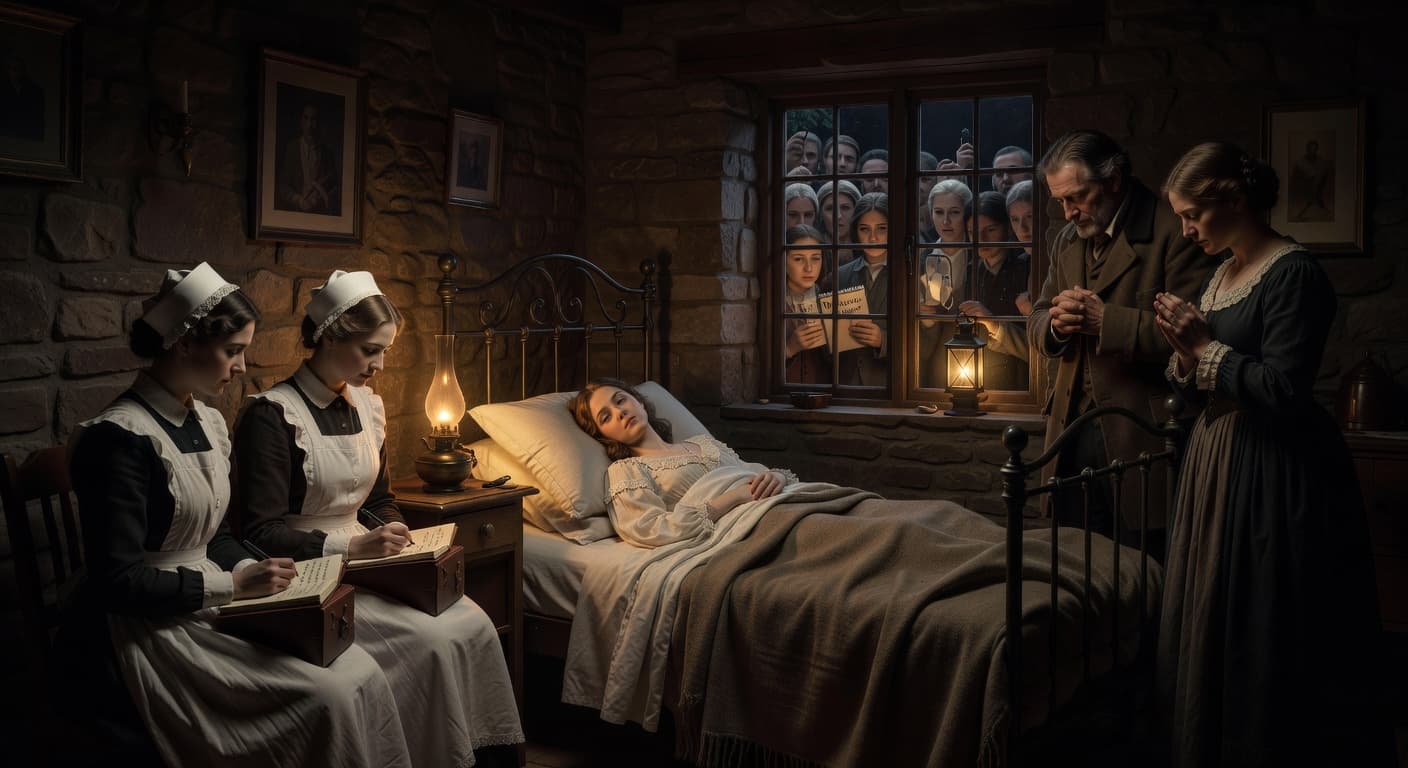
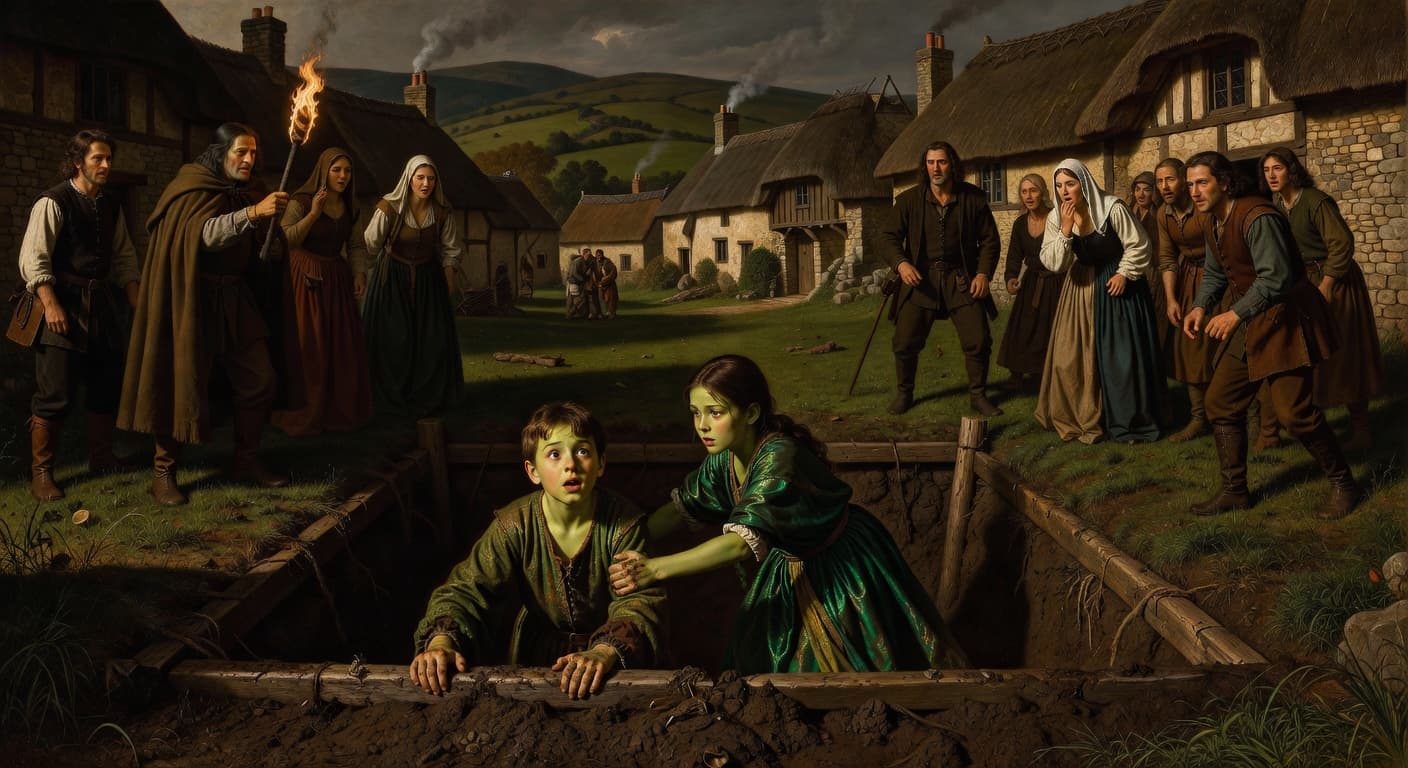
George Brown of Exeter, Rhode Island watched his family die one by one. His wife Mary succumbed in 1883. His daughter Mary Olive followed months later. By 1892, his daughter Mercy was dead from tuberculosis, and his son Edwin was fading fast. The neighbors had an explanation: one of the dead was draining the life from Edwin in his sleep. This was not backwoods superstition. New England had been conducting vampire exhumations for over a century. Tuberculosis — then called "consumption" — killed entire families sequentially, leading communities to believe the dead were feeding on the living. Michael Bell, a folklorist, eventually documented nearly 100 such exhumations across Rhode Island and Connecticut. On March 17, 1892, the community exhumed the Brown family graves. The bodies of Mary and Mary Olive had decomposed normally. Mercy's corpse, however, showed almost no decomposition: her body was still supple and blood remained in her heart. To the assembled townspeople, the evidence was unambiguous. Mercy's heart and liver were removed, burned on a rock, and the ashes mixed with water and given to Edwin as a curative tonic. The real explanation was mundane: Mercy had died in January and been stored in an above-ground crypt during the frozen New England winter, then buried in still-frozen ground. Natural decomposition had barely started. Edwin drank the ash tonic. He died two months later. When Bram Stoker wrote Dracula in 1897, newspaper clippings about Mercy Brown were found among his research files.
Score Dimensions
Original Source
wikipedia.orgLike
Dislike
Skip
Save