Back to Feed
Ancient · Alexandria, Egypt
The Last Librarian: How a Christian Mob Murdered Alexandria's Greatest Mind
★ 8.7 / 10women in historyreligious violenceancient learningmartyrdom
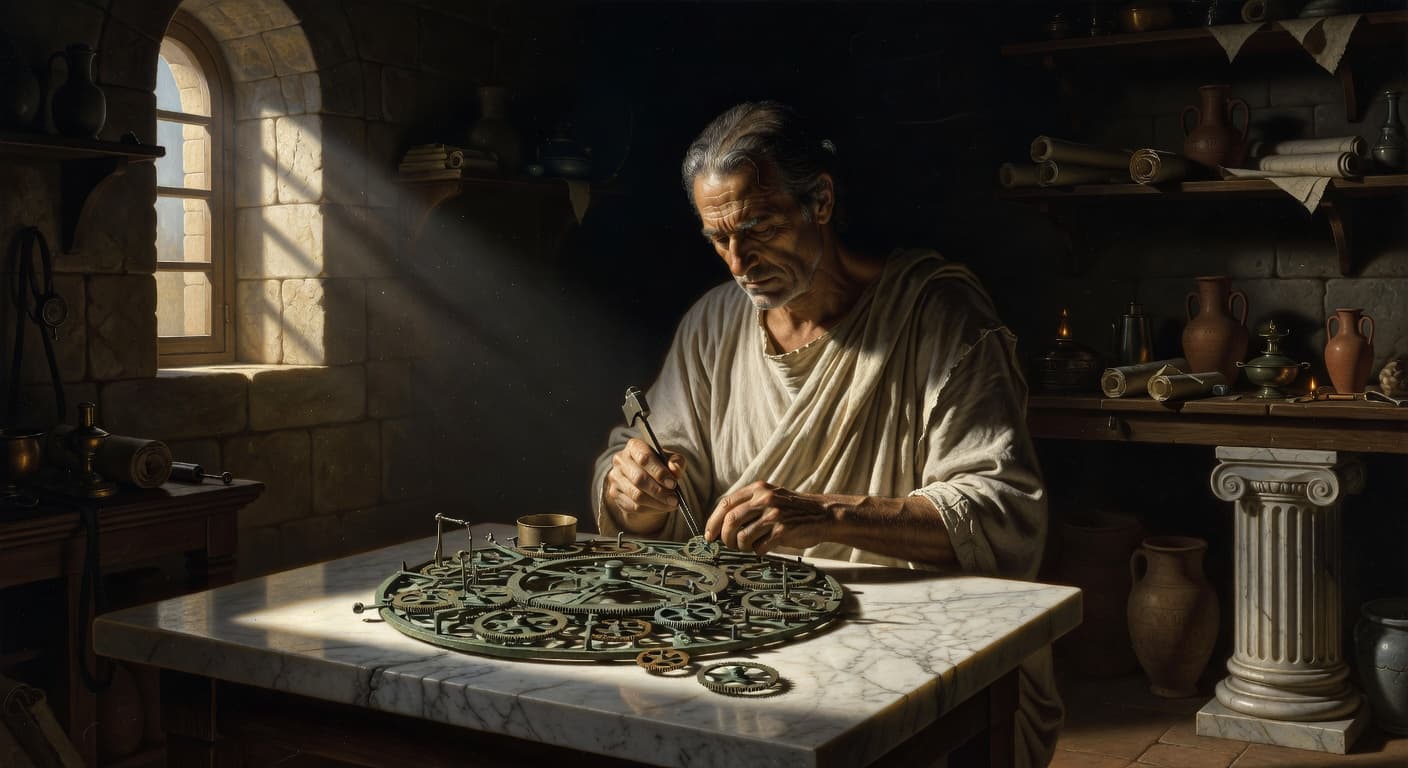
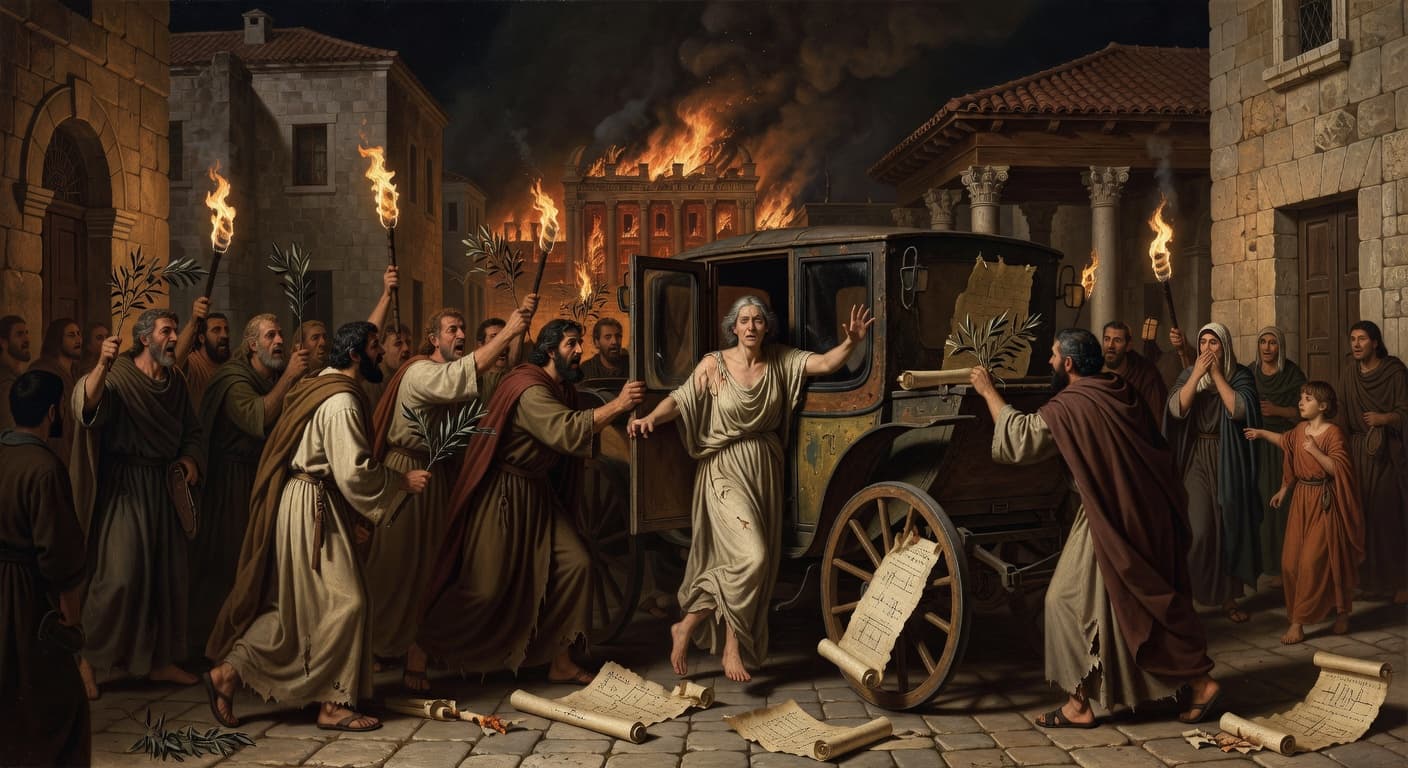
In March 415 AD, during the Christian season of Lent, a mob of parabalani — a militia of Christian fanatics loyal to Cyril, the new Archbishop of Alexandria — ambushed the philosopher Hypatia as she rode through the city in her carriage. They dragged her into a building called the Kaisarion, a former pagan temple converted into a church. There, they stripped her naked, murdered her with roofing tiles or oyster shells (the Greek word "ostraka" covers both), cut out her eyeballs, tore her body into pieces, and burned the remains. The contemporary historian Socrates Scholasticus, writing decades later, recorded the event in detail. Hypatia was at the time the world's foremost mathematician and astronomer — head of Alexandria's Neoplatonist school, daughter of the mathematician Theon, and author of commentaries on Diophantus and Apollonius that shaped how their works were preserved. She had edited portions of Ptolemy's Almagest and attracted wealthy students from across the Roman Empire. She had also been advising Orestes, Alexandria's Roman prefect, who was in a bitter political dispute with Cyril over whether the Church should control the city's secular government. Cyril wanted Orestes to submit to episcopal authority. Hypatia kept advising independence. Rumours, almost certainly spread by Cyril's camp, accused her of bewitching the governor and turning him against the Church. Socrates Scholasticus explicitly blamed Cyril's political agenda for her death, though he stopped short of accusing the archbishop of ordering the murder directly. The shock throughout the empire was immediate. Intellectuals fled Alexandria for Athens. The city that had housed the great Library — by then long diminished — began its transformation into an exclusively Christian stronghold. Hypatia's death became, over the following fifteen centuries, a symbol of the moment ancient learning gave way to a new order that had no room for women who reasoned in public.
Score Dimensions
Original Source
wikipedia.orgLike
Dislike
Skip
Save