Back to Feed
Victorian · England; Egypt
Pre-Raphaelites Painted with Ground-Up Pharaohs
★ 8.7 / 10art historyVictorian macabreEgyptpainting
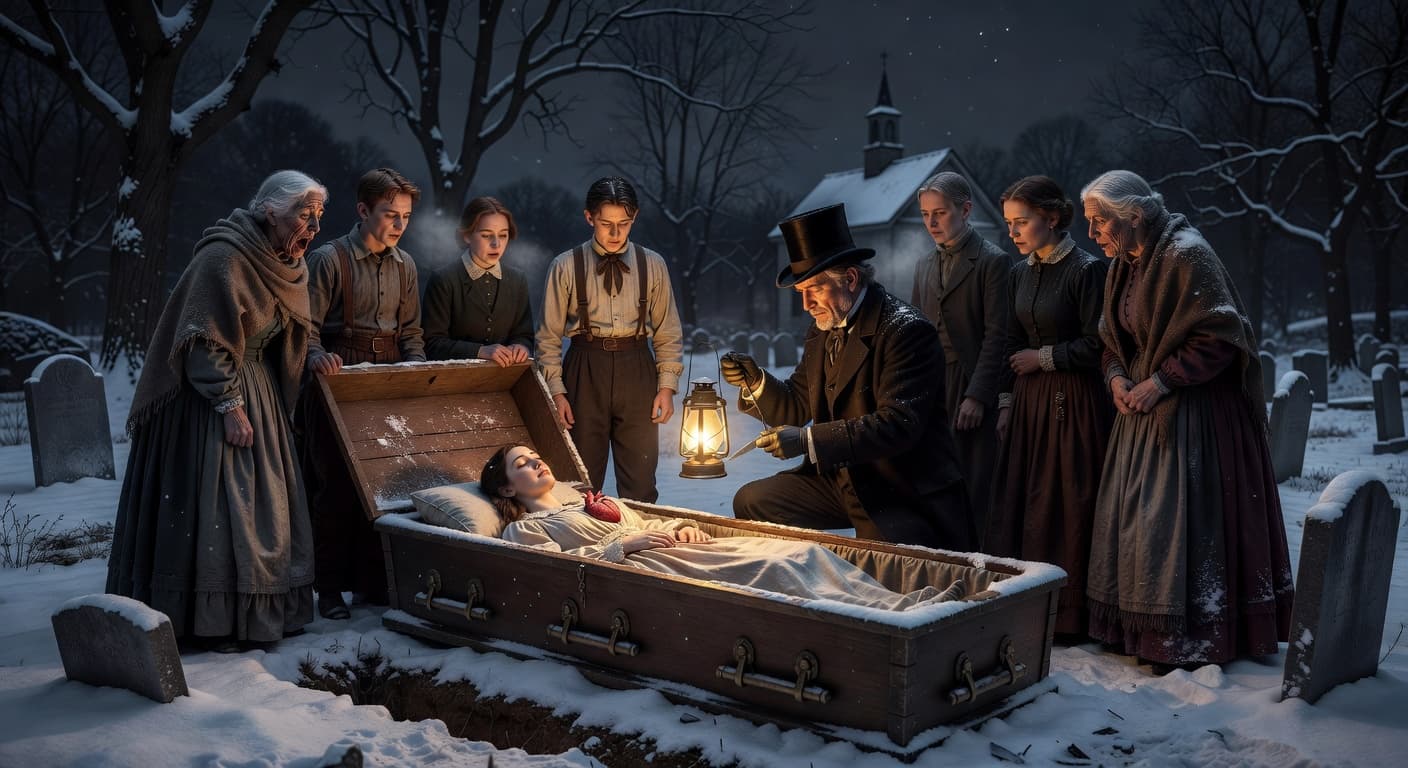
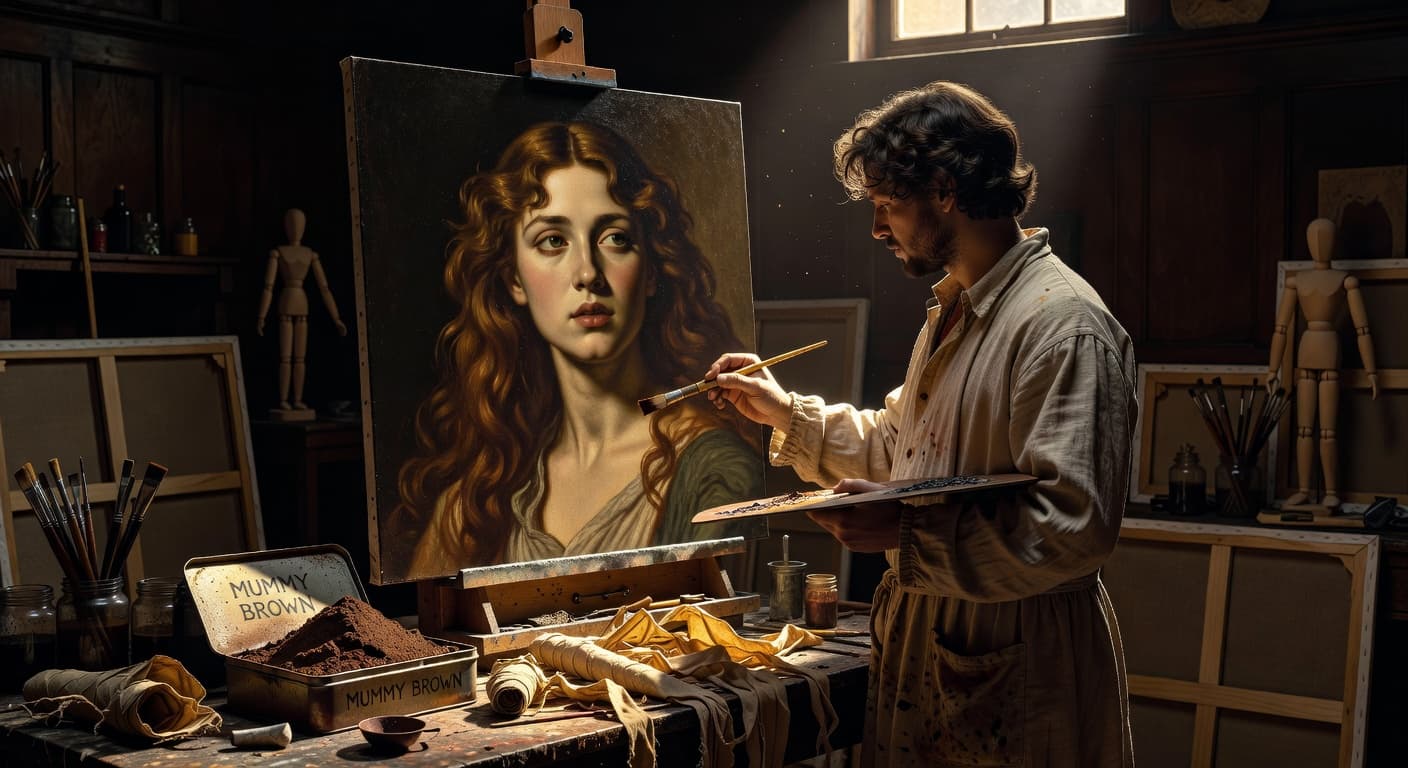
For roughly three centuries, European artists mixed their paint from a maddening variety of sources — arsenic, lead, the urine of Indian cows forced onto mango diets. But one pigment stands apart in its macabre supply chain: "Mummy Brown," a translucent, warm-toned brown manufactured by grinding Egyptian mummies into powder. The pigment was first recorded in 1712 at a Paris supplier called "À la Momie," though the practice was older. Embalmed remains were ideal raw material: the bitumen, myrrh, and resins used in ancient Egyptian preservation created a naturally rich, oil-soluble brown. Paint manufacturers sourced their stock from the Egyptian mummy trade, already booming as Victorians ransacked tombs for curiosities. When supply of authentic Egyptian mummies ran low, some suppliers substituted the remains of enslaved people and executed criminals. Among the known users: Eugène Delacroix (suspected in "Liberty Leading the People"), Edward Burne-Jones, Lawrence Alma-Tadema, and Martin Drolling. The Pre-Raphaelite Brotherhood used it for glazes and flesh tones. The president of the Royal Academy, Benjamin West, was documented using it in 1797. The reckoning came slowly. In 1881, Burne-Jones was dining with his colourman when Alma-Tadema mentioned he had personally seen a whole mummy ground up in a mixing room. Burne-Jones reportedly blanched, rushed home, and held a small funeral in his garden — burying his one remaining tube of Mummy Brown with proper ceremony. The last commercial tube was made in 1964. The manufacturer's reported reason: "We have run out of mummies."
Score Dimensions
Original Source
wikipedia.orgLike
Dislike
Skip
Save