
Back to Feed
Modern · United States, Portugal
The Invention of Lobotomy
★ 8.9 / 10medicinetragedyethics
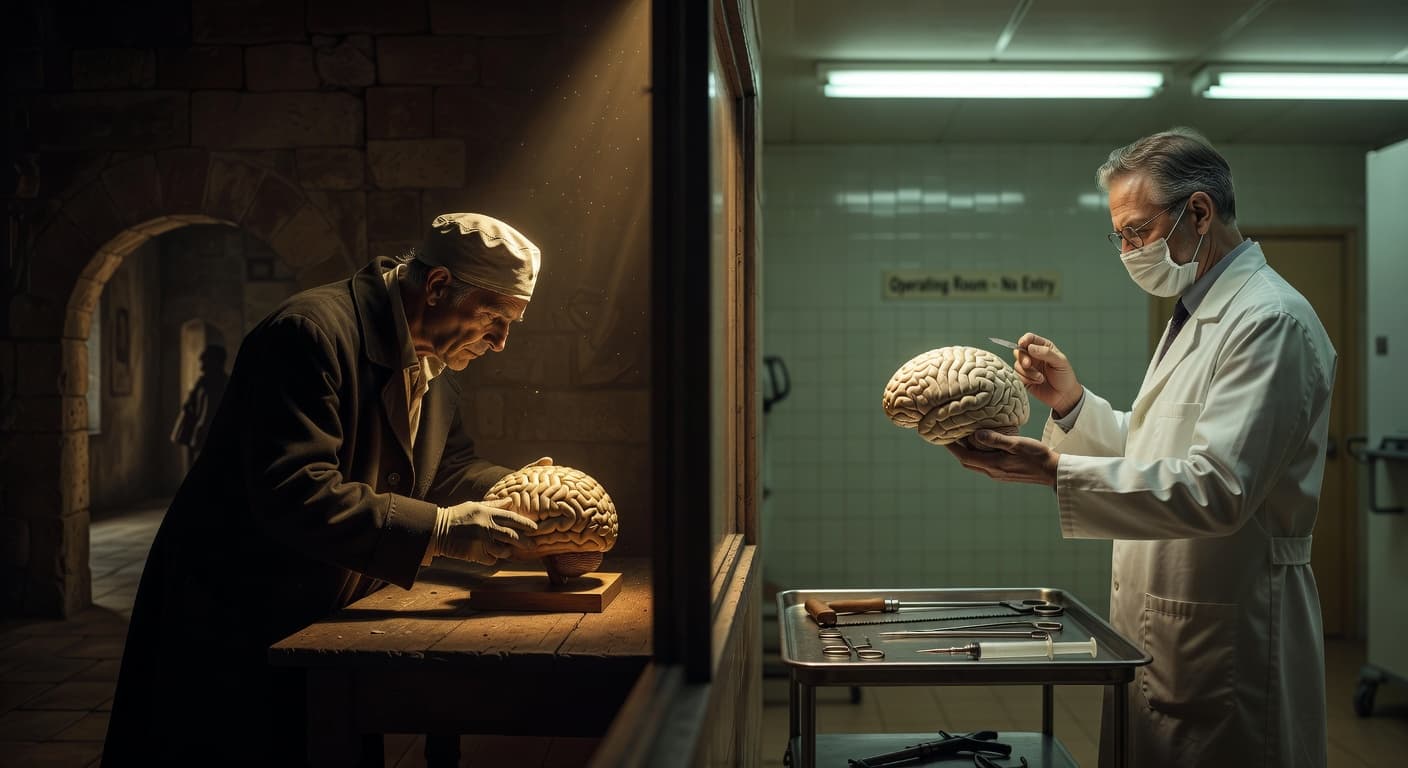
Portuguese neurologist António Egas Moniz won the Nobel Prize in 1949 for developing the prefrontal lobotomy—a procedure that involved destroying brain tissue to treat mental illness. American physician Walter Freeman popularized the 'ice pick lobotomy,' performed by hammering an ice pick through the eye socket into the brain and moving it to sever connections. Freeman performed about 3,500 lobotomies, sometimes doing multiple procedures in a day, once performing them in a production line. He traveled the country in a vehicle he called the 'lobotomobile.' One of his patients was Rosemary Kennedy, John F. Kennedy's sister, who was left permanently incapacitated. Lobotomies were performed on children as young as 4 and used to treat everything from schizophrenia to depression to homosexuality. Success rates were poor—many patients became vegetables. By the 1970s, the procedure was largely abandoned. Moniz's Nobel Prize remains controversial. The lobotomy era represents one of medicine's darkest chapters.
Score Dimensions
Original Source
wikipedia.orgLike
Dislike
Skip
Save