Back to Feed
Ancient · Rome, Italy
Caligula's First Year: How Ancient Sources Documented the Emperor's Descent
★ 8.6 / 10Roman historytyrannyancient sourcespolitical assassination
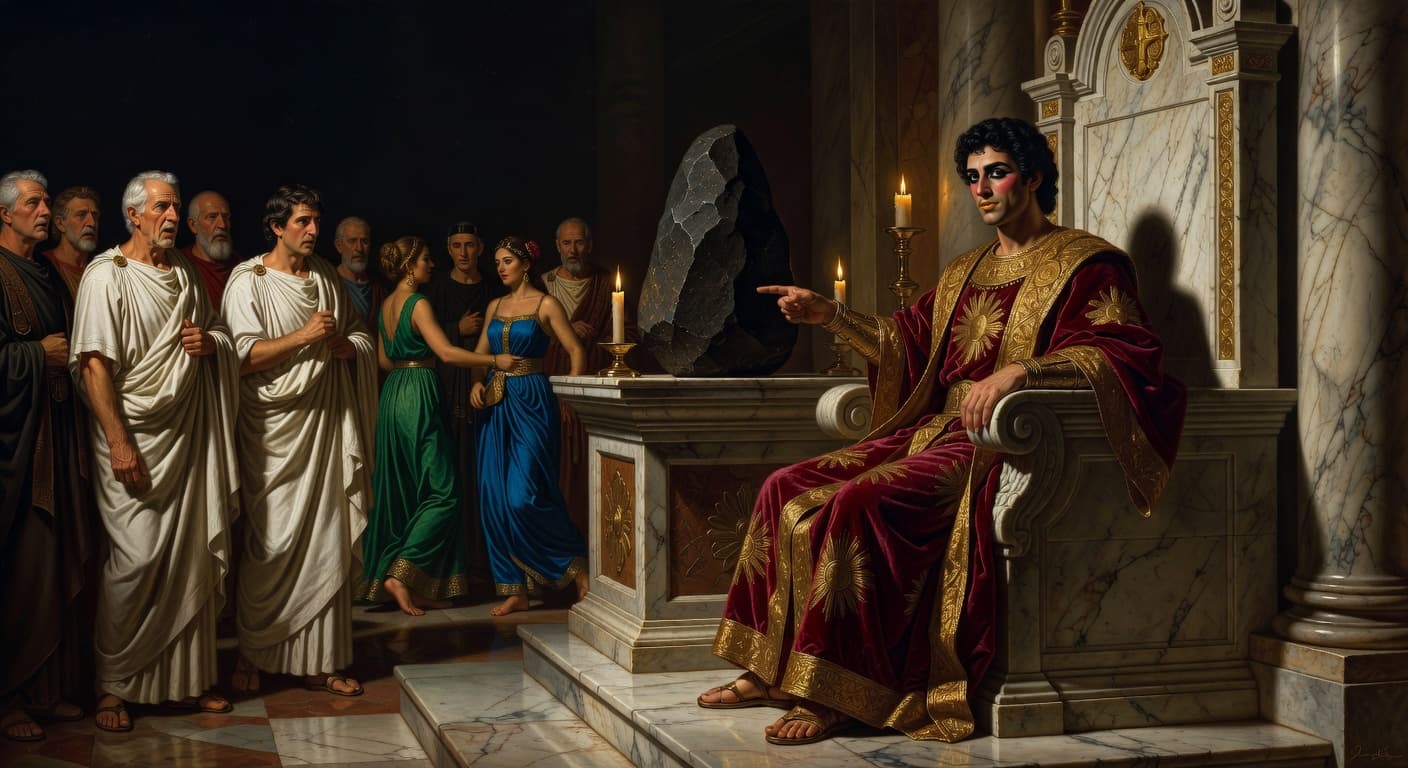
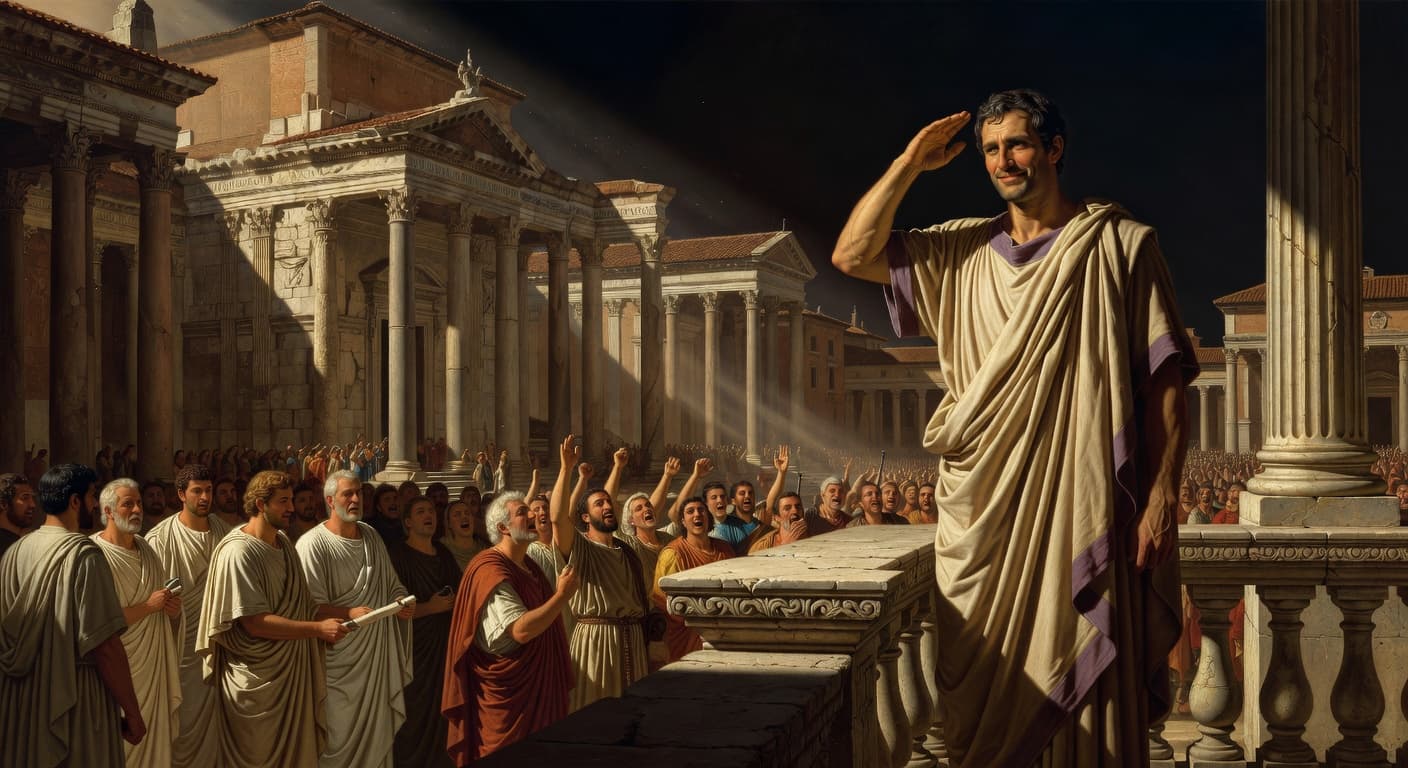
Gaius Julius Caesar Augustus Germanicus — known to history as Caligula, a childhood nickname meaning "Little Boots" — became emperor in March 37 AD at 24, inheriting the reign from Tiberius. His first eight months were by all accounts a relief after decades of Tiberian paranoia: he freed political prisoners, burned Tiberius's files of informants, declared an amnesty, and was publicly beloved. Then, in October 37, he became gravely ill. He recovered. What came after, according to Suetonius and Cassius Dio, was a different man. The ancient sources must be read carefully. Suetonius wrote The Twelve Caesars roughly 80 years after Caligula's death, relying on oral tradition and records that the emperor's successors had every motive to color darkly. Cassius Dio wrote 200 years after the events. Both attribute to Caligula a series of acts that have defined the archetype of insane tyranny: executing people on trivial pretexts, forcing senators to run beside his litter, declaring himself a living god and building a temple to himself, sleeping with all three of his sisters, appointing his horse Incitatus to the consulship, and building a two-mile bridge of boats across the Bay of Baiae so he could ride across it in triumph dressed as Neptune. He was assassinated by Praetorian Guard officers on January 24, 41 AD, after a reign of less than four years. Historians continue to debate how much of this is accurate. The senatorial class that produced these accounts had suffered under Caligula and had strong incentives to portray him as a monster. The horse-consul story may be a satirical gesture taken literally by later writers. But what no historian disputes is that he was murdered by his own guards — who killed him, his wife, and his infant daughter — and that his reign ended in a security collapse so complete that the Praetorian Guard installed his uncle Claudius as emperor before the senate had been consulted. The documented record of his assassination, including its specific location and the names of his killers (Cassius Chaerea, Cornelius Sabinus), is exceptionally reliable. The excesses of the life before it remain history's most famous case study in distinguishing propaganda from record.
Score Dimensions
Original Source
wikipedia.orgLike
Dislike
Skip
Save