Back to Feed
Industrial · San Francisco, California
Emperor Norton: America's Only Emperor
★ 9.1 / 10eccentricityurban legendculture
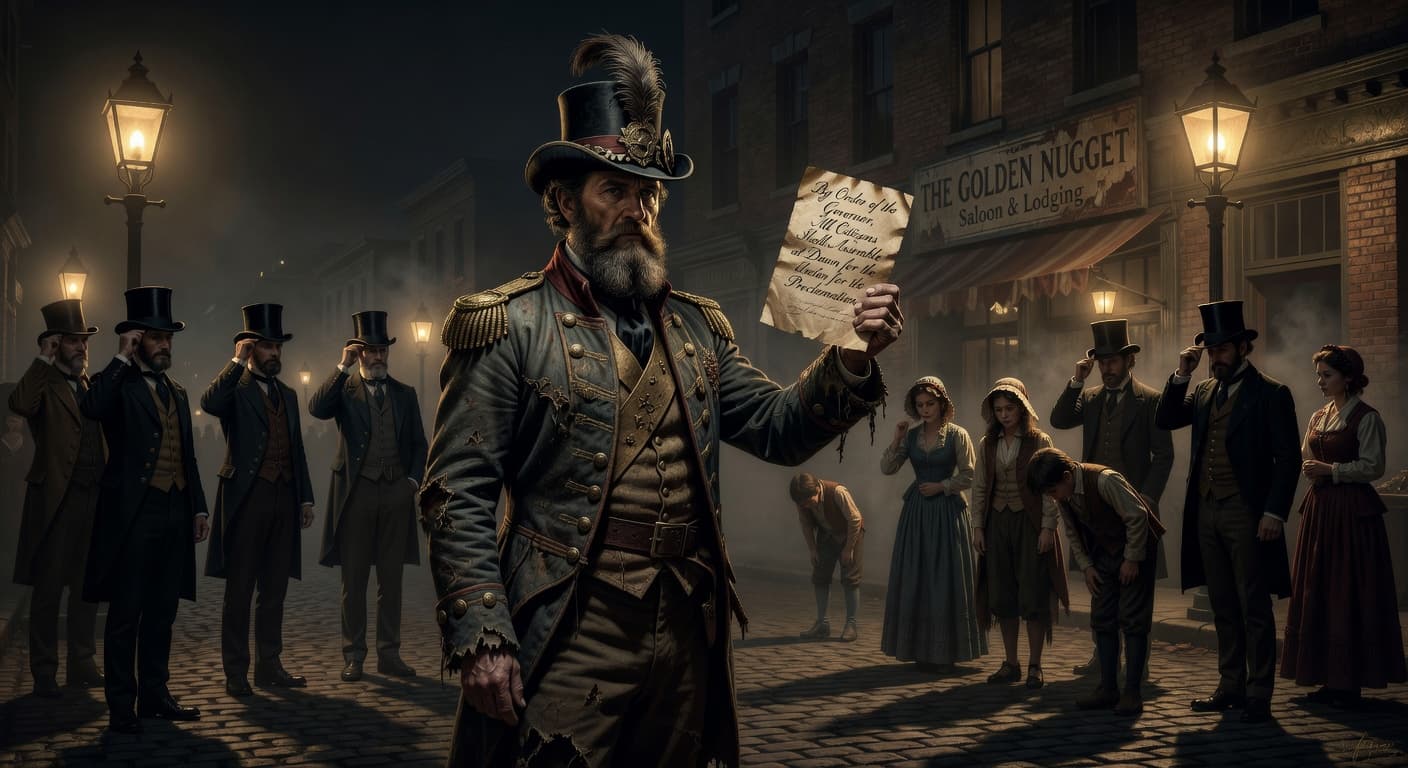
On September 17, 1859, San Francisco newspapers published an extraordinary letter: Joshua Abraham Norton, a bankrupt rice speculator, proclaimed himself Norton I, Emperor of the United States. The city didn't laugh him off—it embraced him. For two decades, Norton issued over 500 imperial decrees from his shabby boarding house room. He abolished Congress, ordered the construction of a suspension bridge from San Francisco to Oakland (built as the Bay Bridge 53 years after his death), and outlawed the word 'Frisco' under penalty of a $25 fine. Restaurants served him free meals. Theaters reserved seats marked 'Emperor Norton.' He printed his own currency in denominations up to fifty cents, which local merchants accepted. The 1870 census listed his occupation: 'Emperor.' When Officer Armand Barbier arrested him for lunacy in 1867, public outrage forced Police Chief Patrick Crowley to release Norton with a formal apology—and the department ordered all officers to salute His Majesty on the street. Norton died suddenly on January 8, 1880, collapsing at the corner of California and Grant. An estimated 10,000 people attended his funeral, and the city erected a rosewood casket befitting an emperor.
Score Dimensions
Original Source
grokipedia.comLike
Dislike
Skip
Save