Back to Feed
Ancient · Ephesus
The Herostratus Complex
★ 8.7 / 10crimepsychologyfame
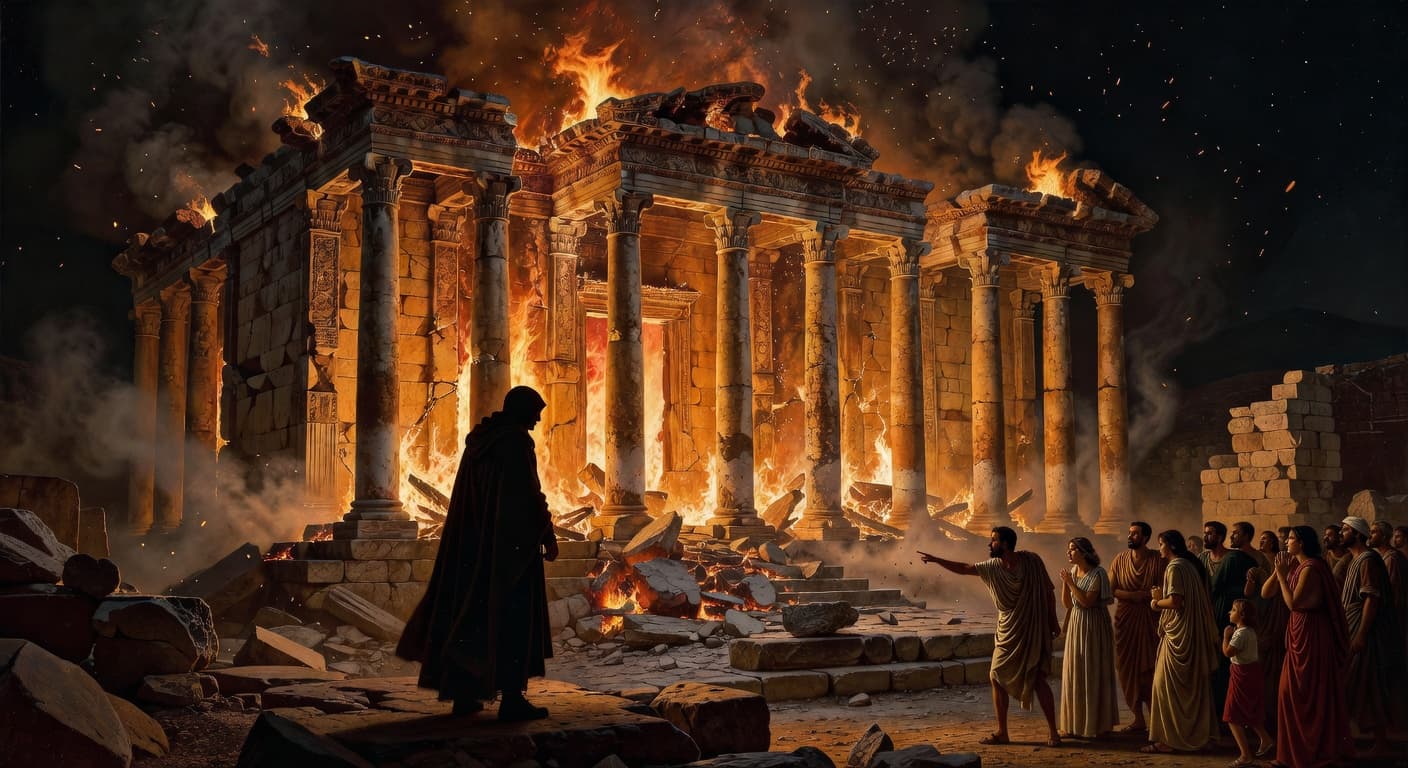
In 356 BCE, a man named Herostratus burned down the Temple of Artemis at Ephesus, one of the Seven Wonders of the Ancient World, solely to achieve fame. When captured and tortured, he confessed this was his only motive. The Ephesian authorities executed him and passed a law forbidding anyone from mentioning his name, attempting to deny him the fame he sought. The strategy backfired spectacularly—Herostratus became one of the most famous arsonists in history precisely because historians like Strabo wrote about the attempted cover-up. The term 'Herostratus complex' now describes acts of destruction committed purely for notoriety. Modern psychologists use it to describe mass shooters and terrorists who seek infamy. Some news organizations have adopted 'Don't Name Them' campaigns to avoid giving attackers the attention they crave. Ironically, by trying to erase Herostratus, ancient Ephesus ensured his immortality, demonstrating the Streisand effect 2,000 years before the internet.
Score Dimensions
Original Source
wikipedia.orgLike
Dislike
Skip
Save